-
Nepal
Nepal Motorcycle Tour — Ride the Himalayas
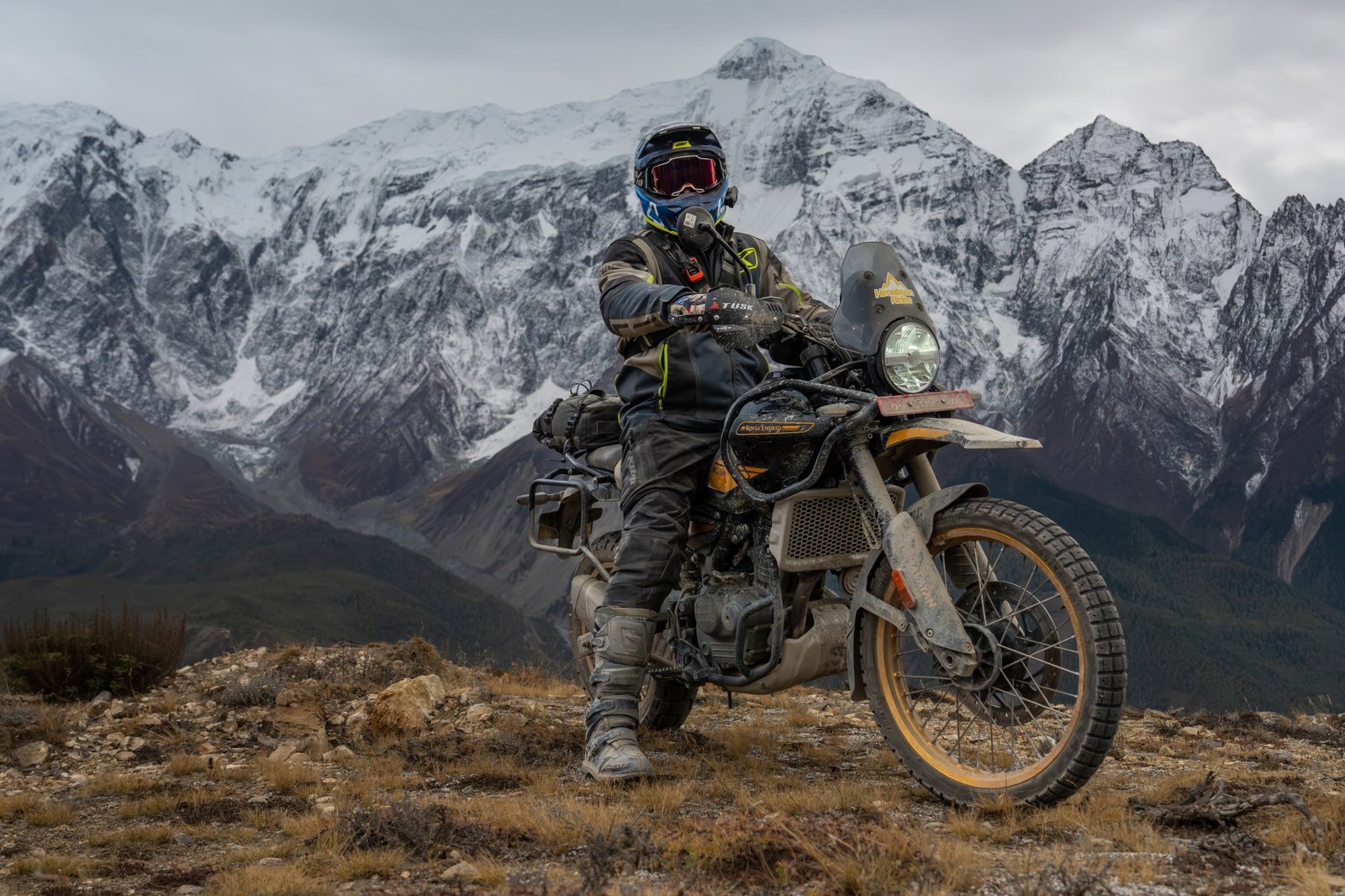
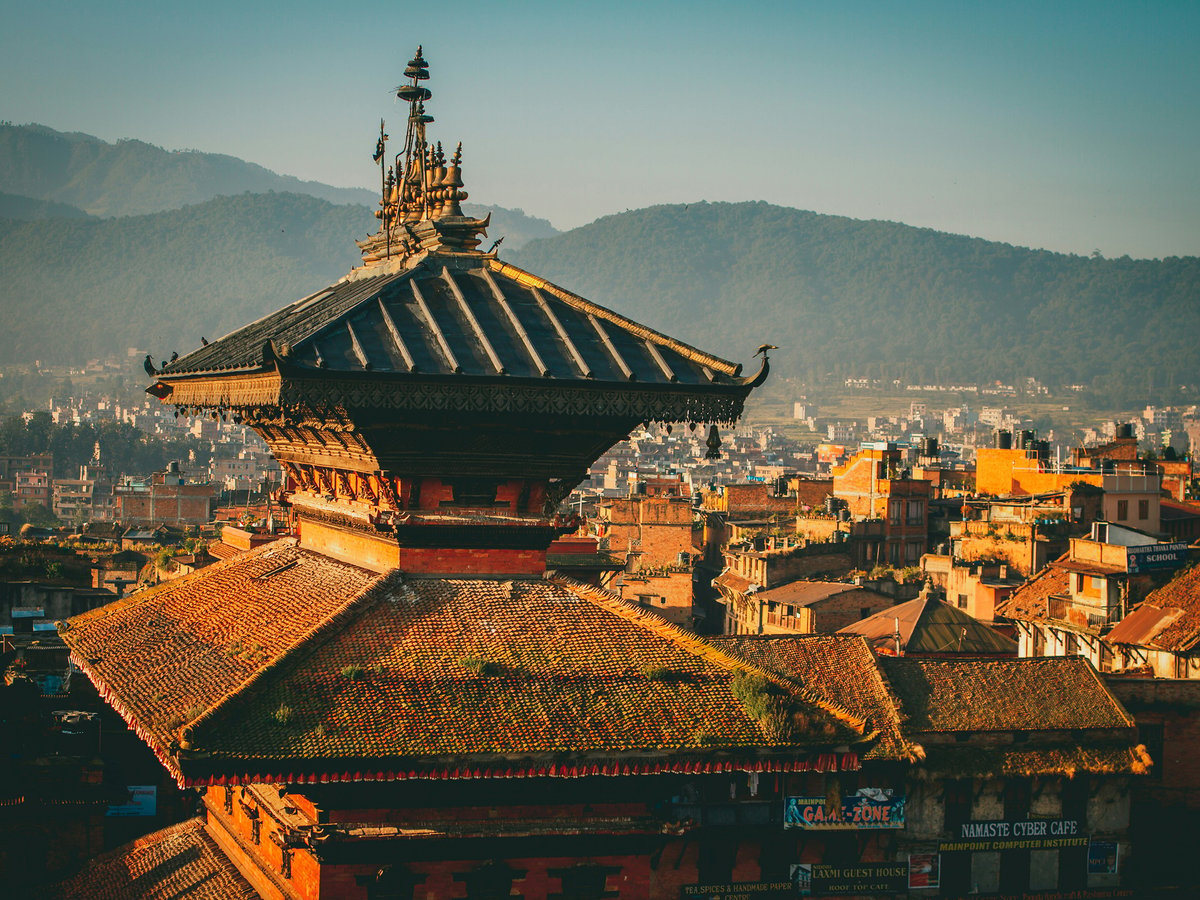
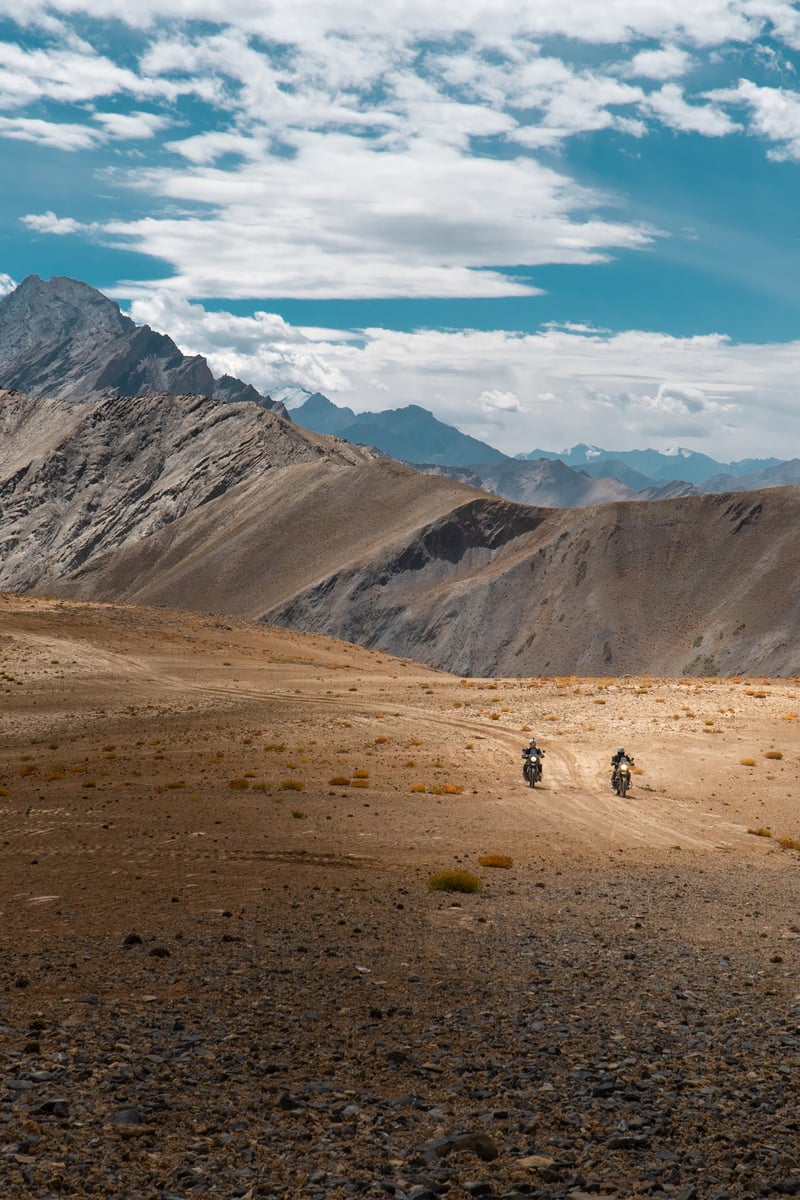
The Nepal Motorcycle Tour with Himalayan Rides is an adventure unlike any other — a ride that blends challenge, beauty, and cultural connection. It’s not just a tour; it’s an exploration of one of the world’s most diverse landscapes, where every kilometer reveals a new story. From Kathmandu’s historic lanes to the raw highlands of Mustang, this route captures the true essence of Himalayan motorcycling.
The Spirit of Nepal
Nepal is a dream destination for riders who crave altitude, contrast, and authenticity. The Nepal Motorcycle Tour takes you through a country where ancient traditions coexist with untamed geography. You’ll wind through misty forests, cross roaring rivers, and climb toward snow-covered summits — all within days. Beyond the road, it’s the people who make the ride unforgettable: monks at mountain monasteries, farmers in terraced fields, and families who welcome travelers with open hearts.
Route Highlights
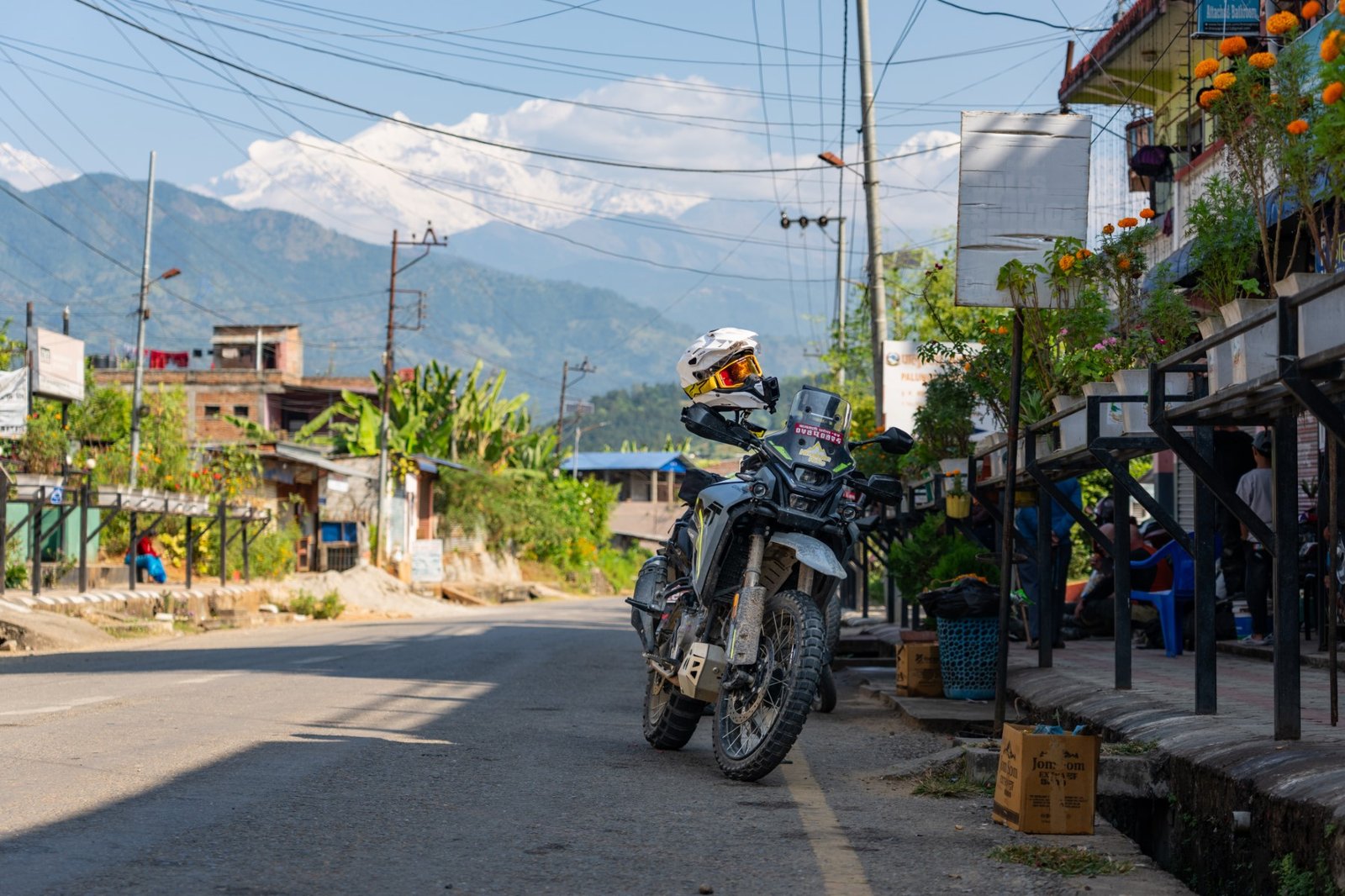
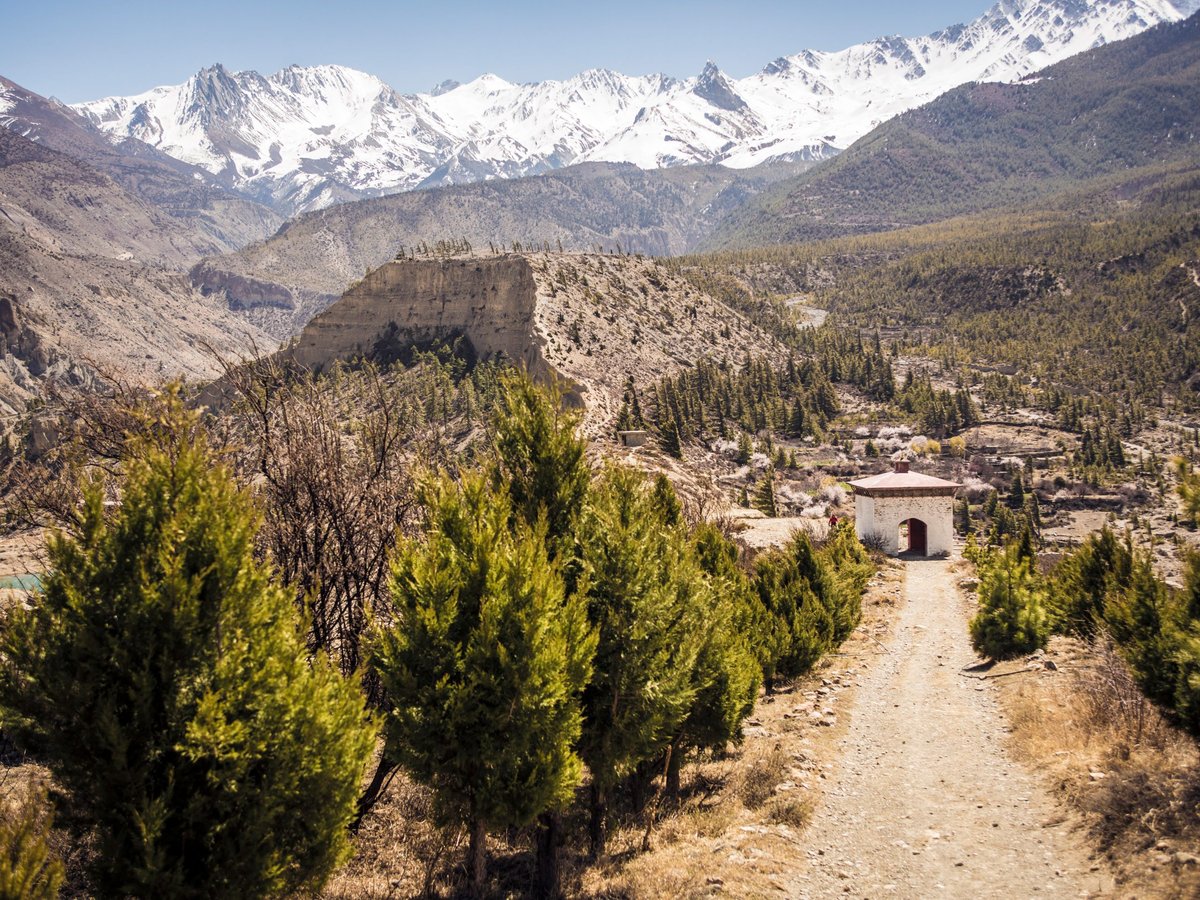
Your journey begins in Kathmandu, where riders receive a pre-ride briefing and motorcycles are prepped for adventure. The first leg to Pokhara follows curving hill roads framed by waterfalls and valleys. Pokhara’s peaceful lakeside town is your first rest stop before heading north toward Mustang — a region once closed to outsiders. Riding through Jomsom and Kagbeni, the Nepal Motorcycle Tour pushes into the high-altitude desert, where every turn reveals windswept cliffs, medieval villages, and mountain horizons that seem endless.
- Ride the dramatic Kali Gandaki Gorge — the deepest in the world.
- Visit sacred temples and monasteries in Kathmandu Valley.
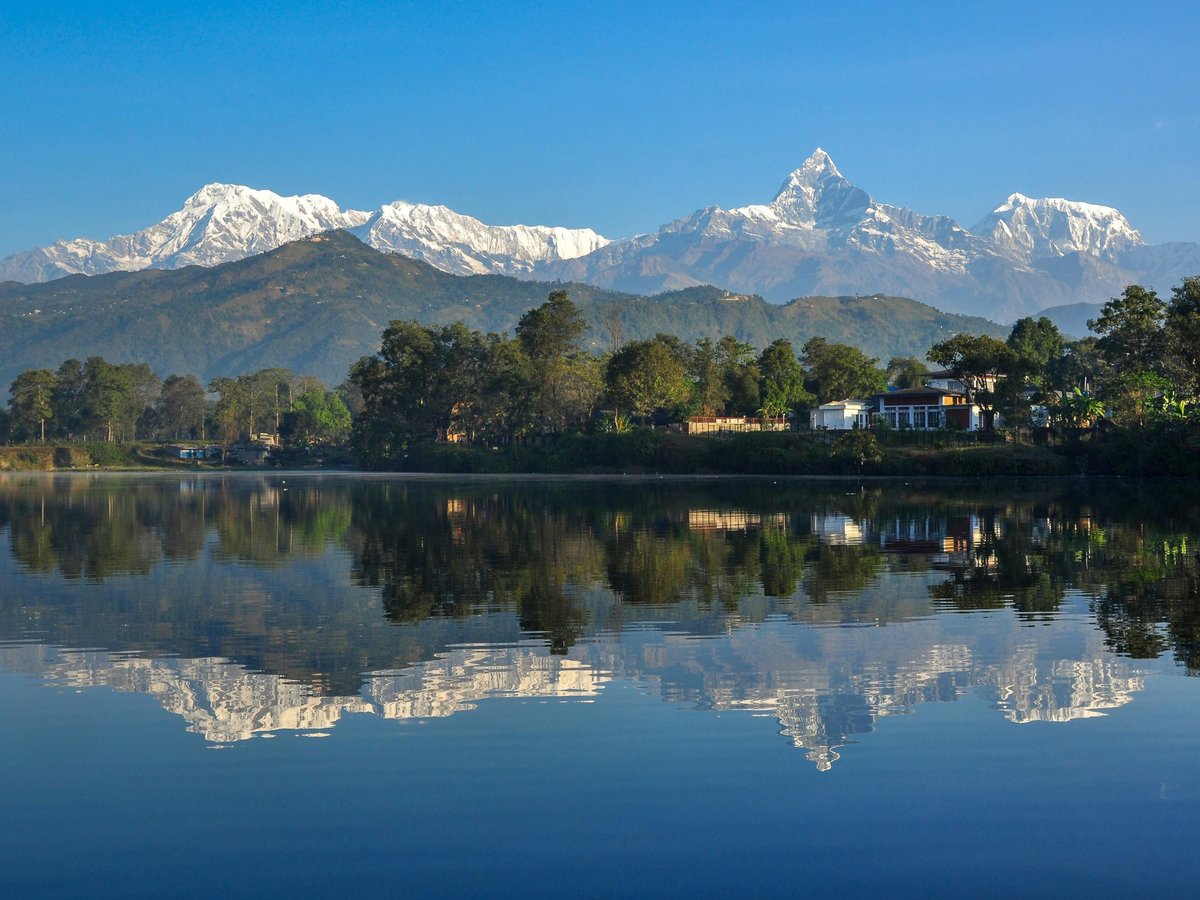
- Experience Pokhara’s panoramic views of Annapurna and Machapuchare.
- Cross rugged trails toward Muktinath, a revered pilgrimage site at 3,800 m.
- Connect with locals who live along the ancient trade routes to Tibet.
Who This Ride Is For
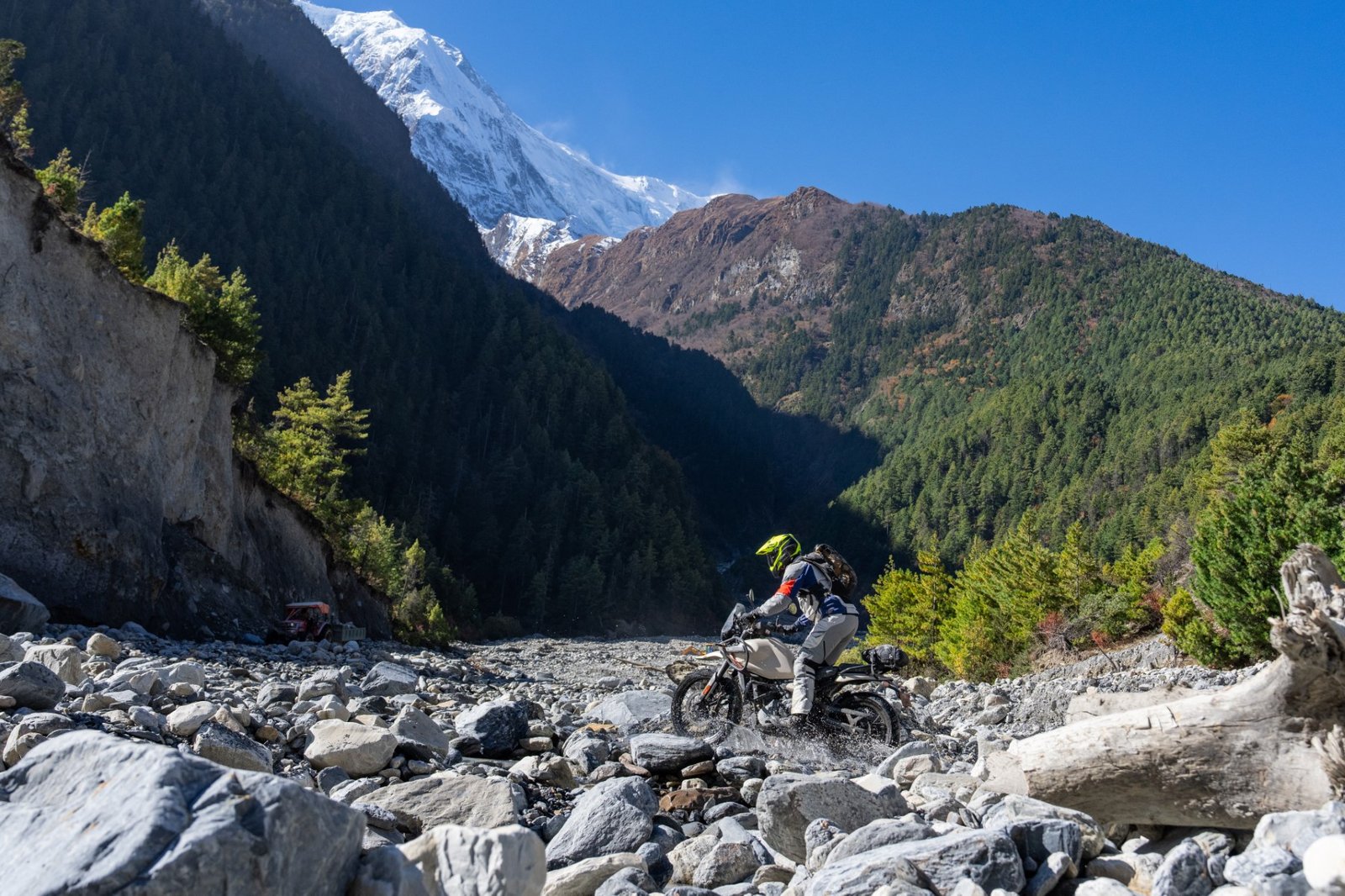
This Nepal Motorcycle Tour is designed for riders ready for a real Himalayan challenge. It suits intermediate to experienced adventurers comfortable with mixed terrain — asphalt, gravel, and riverbeds. Each day covers 5–7 hours of riding with support vehicles, guides, and mechanics close behind. It’s ideal for riders seeking raw beauty, technical riding, and a deep sense of discovery. Every climb, descent, and checkpoint builds a story worth telling.
Support and Safety
Every Nepal Motorcycle Tour is fully supported by the Himalayan Rides crew — experts in high-altitude travel. Our team provides backup vehicles, satellite tracking, and mechanics on standby. Riders also receive access to My Account for document uploads, maps, and gear lists before departure. Safety, preparation, and respect for local culture form the foundation of every ride we lead.
When to Ride
The best seasons for the Nepal Motorcycle Tour are March–May and September–November, when skies are clear and the trails are dry. Spring offers blooming rhododendrons and comfortable riding temperatures; autumn brings crisp air and panoramic views. Customized itineraries can be arranged for winter or off-season riders exploring lower altitudes.
Ride with Purpose
Himalayan Rides practices sustainable, community-based travel. The Nepal Motorcycle Tour directly supports local lodges, fuel stations, and small businesses along the route. We minimize plastic waste, respect regional customs, and promote eco-conscious riding. Every kilometer contributes to local livelihoods and conservation — keeping adventure responsible and meaningful.
Join the Adventure
Few journeys compare to the Nepal Motorcycle Tour. It’s an expedition through mountains, memories, and the core of what makes motorcycling special — freedom, connection, and discovery. Whether you’re conquering a high pass, sipping tea in a remote village, or watching prayer flags dance in the wind, this is where every rider finds their rhythm. Start your own Himalayan story today through our Contact page or browse other regional tours for inspiration.
NepalThe Triple Crown

-
Nepal
The Triple Crown
Beyond Roads, Into the Heart of Nepal
This 12-day motorcycle journey carves a unique line through Nepal, taking you far beyond the typical tourist trail. From the chaotic charm of Kathmandu, the route pushes west before plunging deep into the rarely explored valleys of Manang and Mustang—regions where ancient Tibetan culture, dramatic landscapes, and raw adventure collide, before wrapping up in the subtropical lake town of Pokhara, offering a final contrast of warmth and ease after the wilds of the mountains.
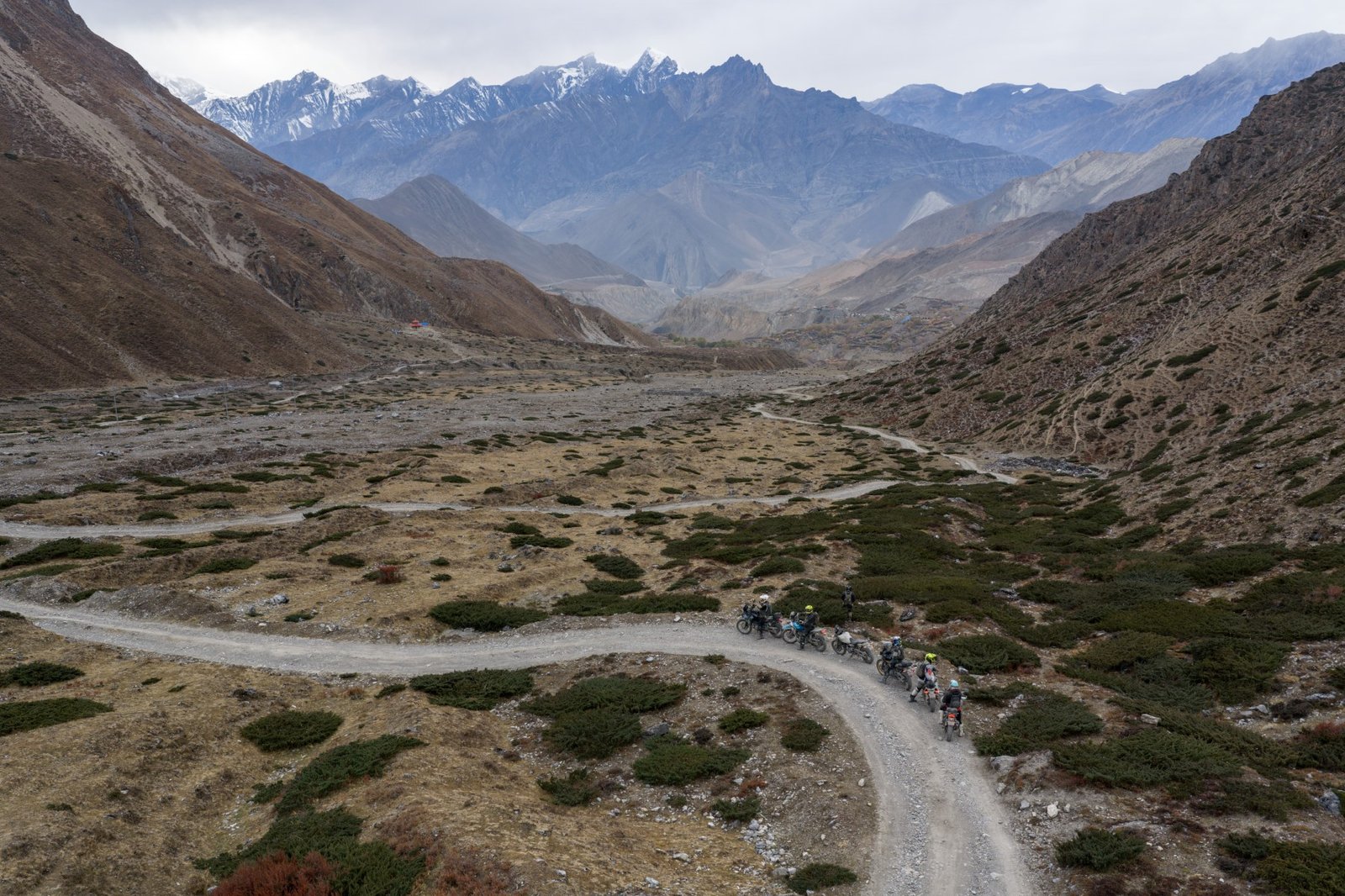
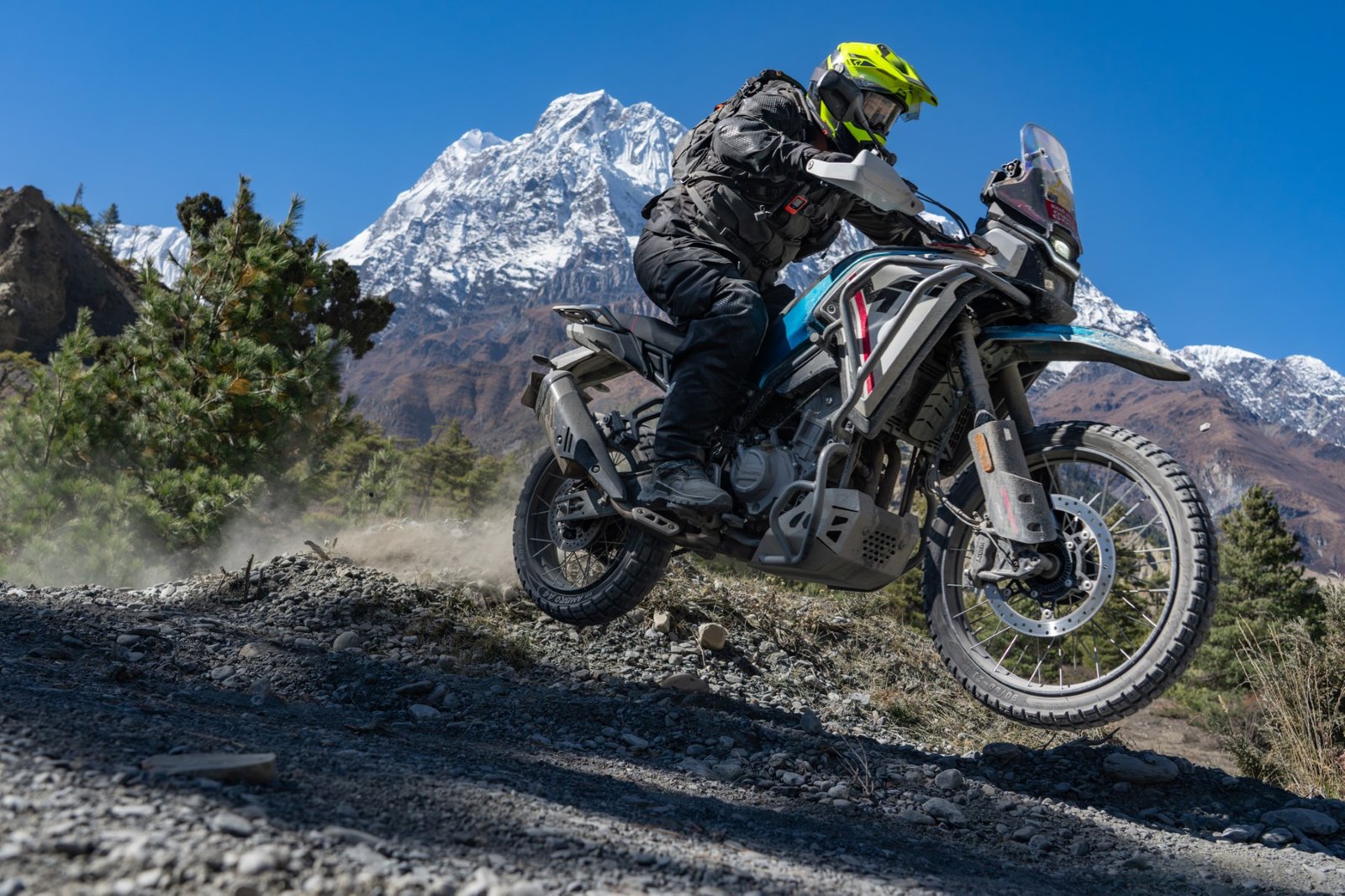
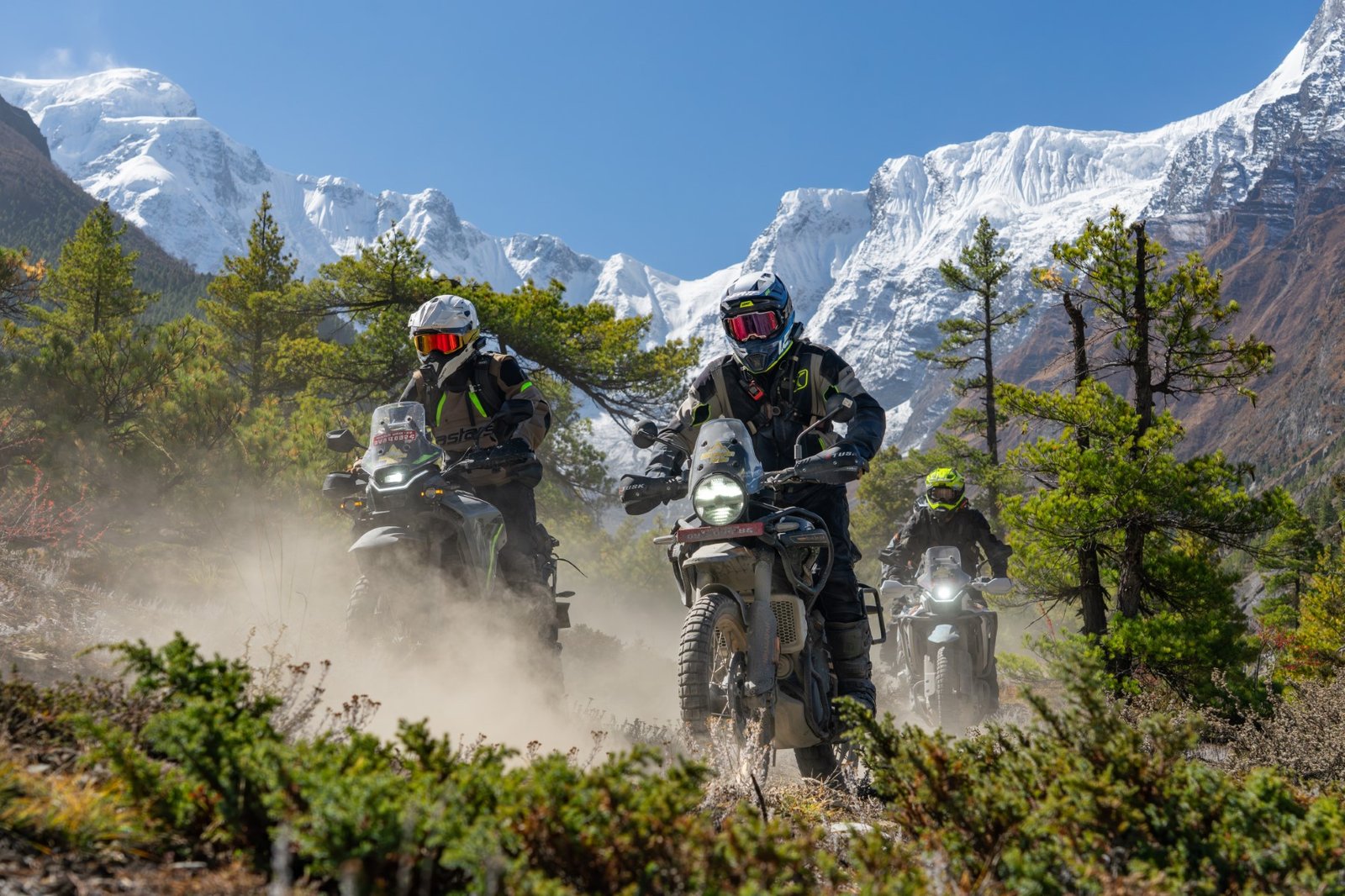
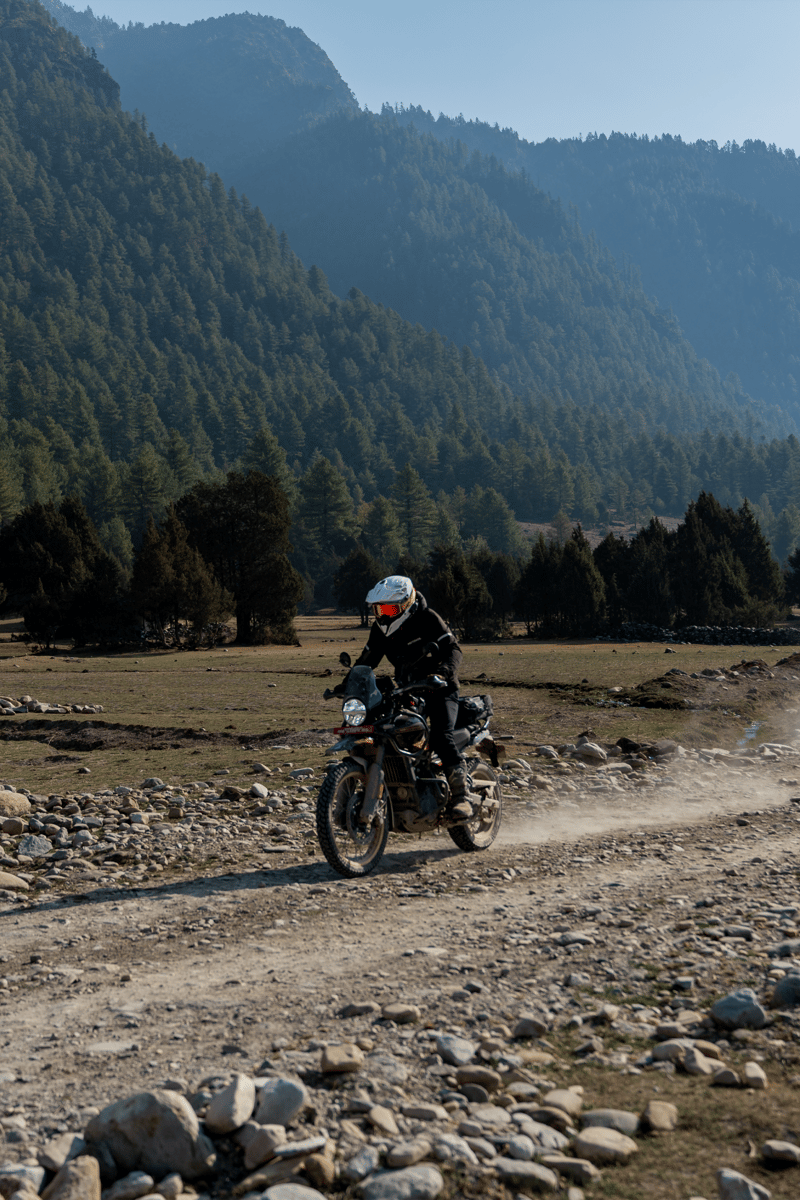
Designed for experienced riders hungry for challenge, the route shuns major highways in favor of dirt roads, rocky trails, dry riverbeds, and high-altitude mountain passes. Each day presents a new test of skill and stamina as you navigate shifting terrain that few visitors ever see. The trail winds through secluded villages, past crumbling chortens and windswept monasteries, where the modern world feels a lifetime away.
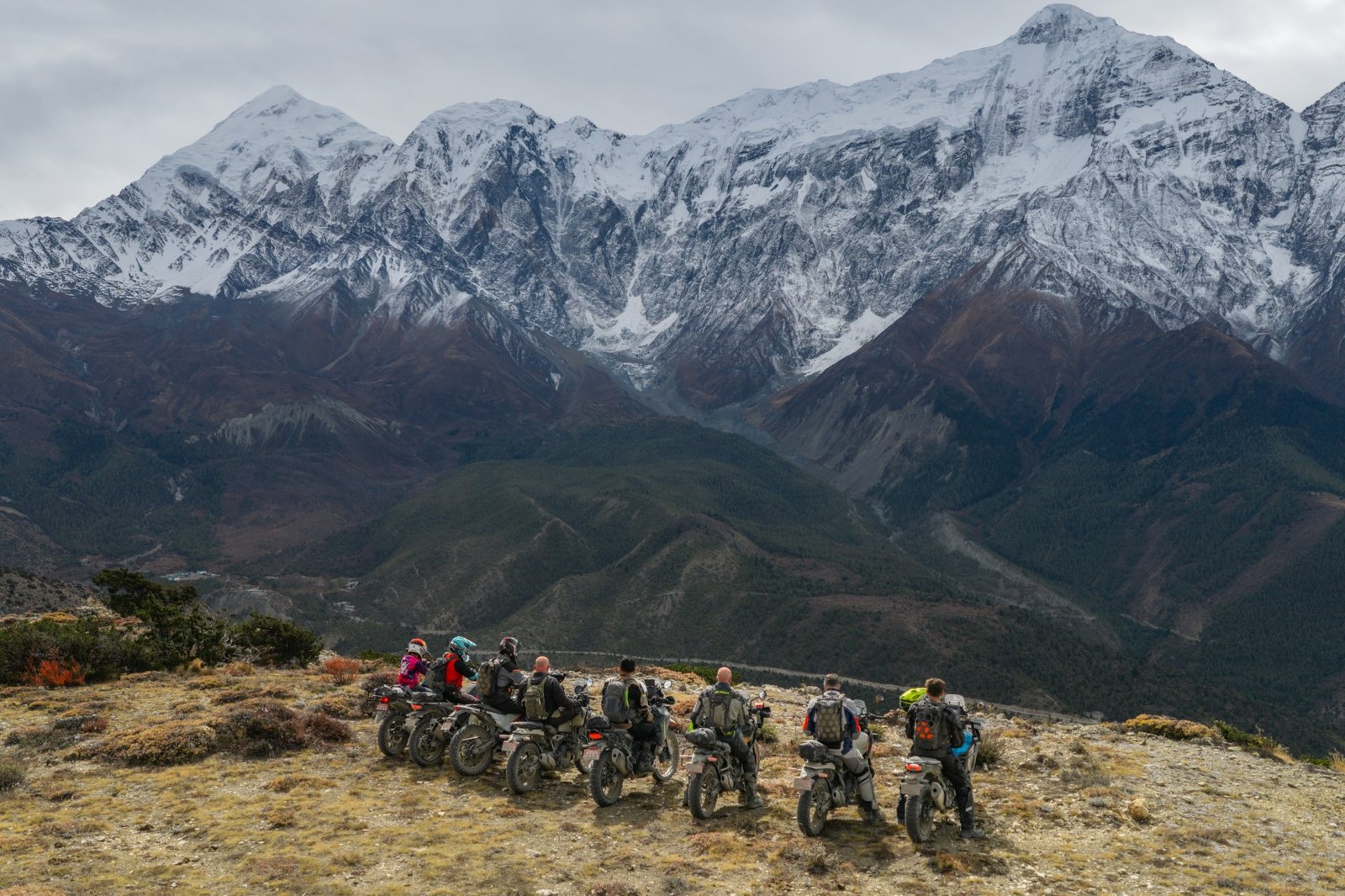
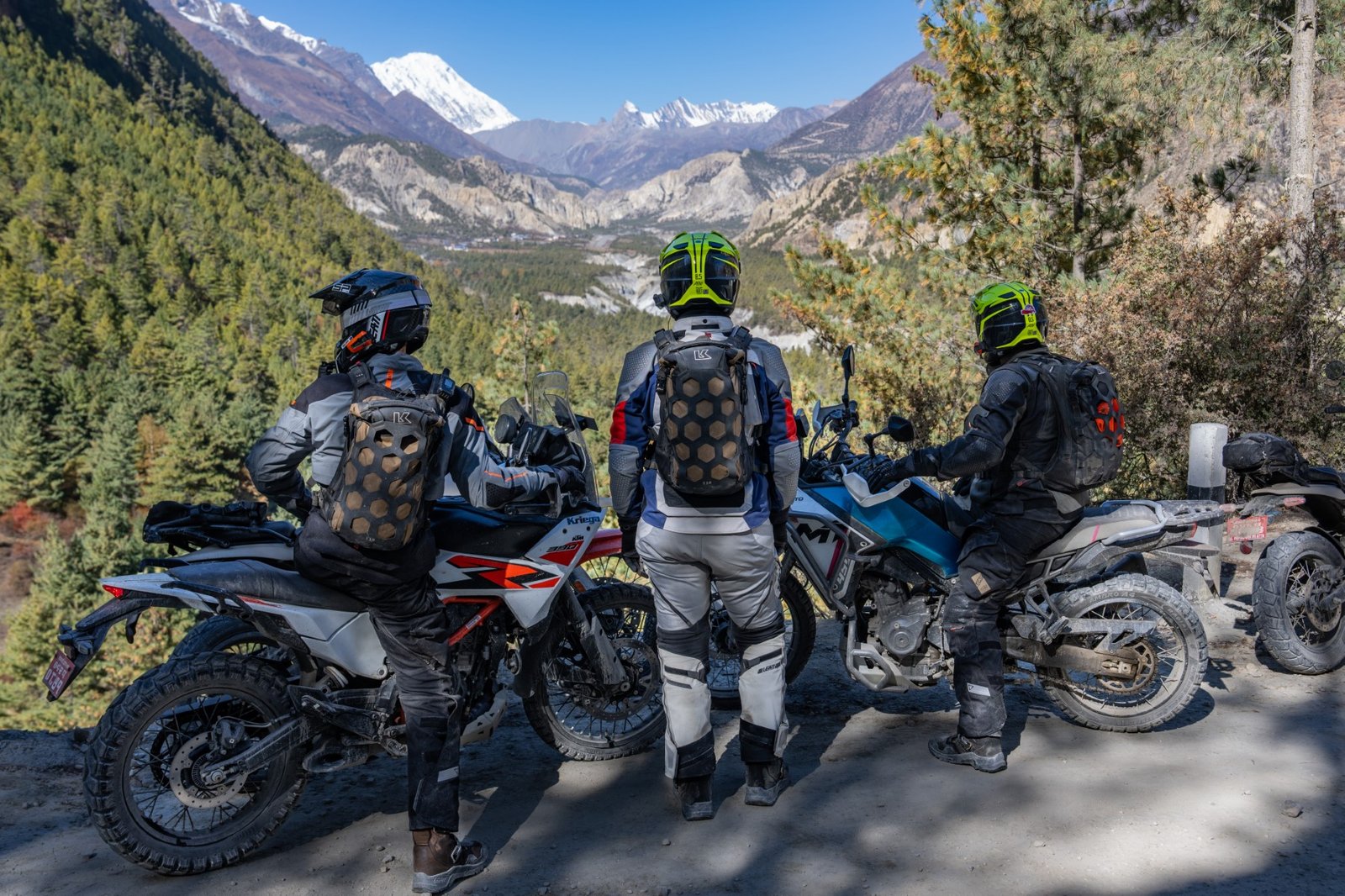
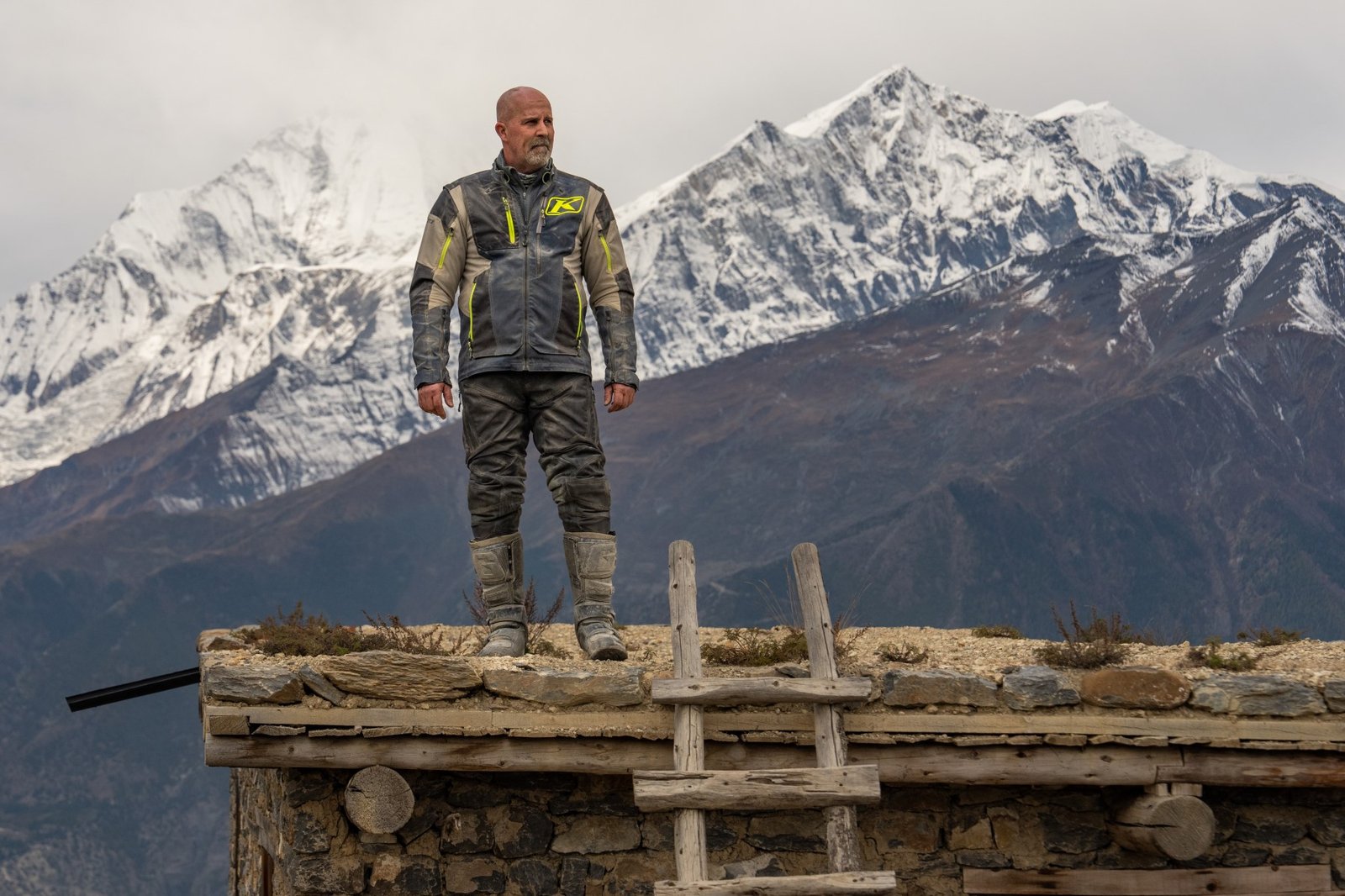
Framed by the towering peaks of Annapurna and Dhaulagiri, this isn’t just a ride—it’s an immersion into the raw, rugged soul of the Himalayas. For those who crave remote, off-the-map adventure, there is no route like this.
-
1,200 KM
750 Miles -
12 Days
11 Nights -
Mostly dirt, Some paved
-
Spring, Autumn, Winter
-
Intermediate
-
Min: 4 Riders
Max 12 Riders
-
Combination of hotels, resorts and mountain Lodges
-
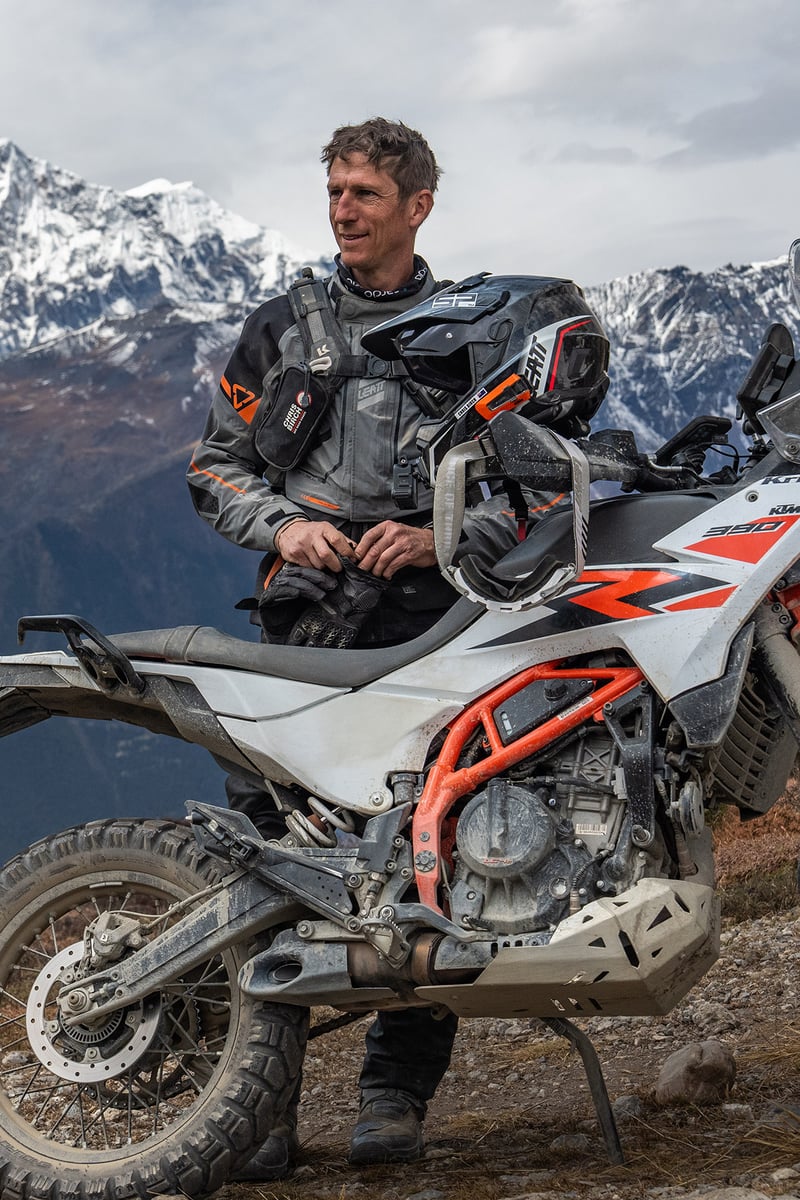
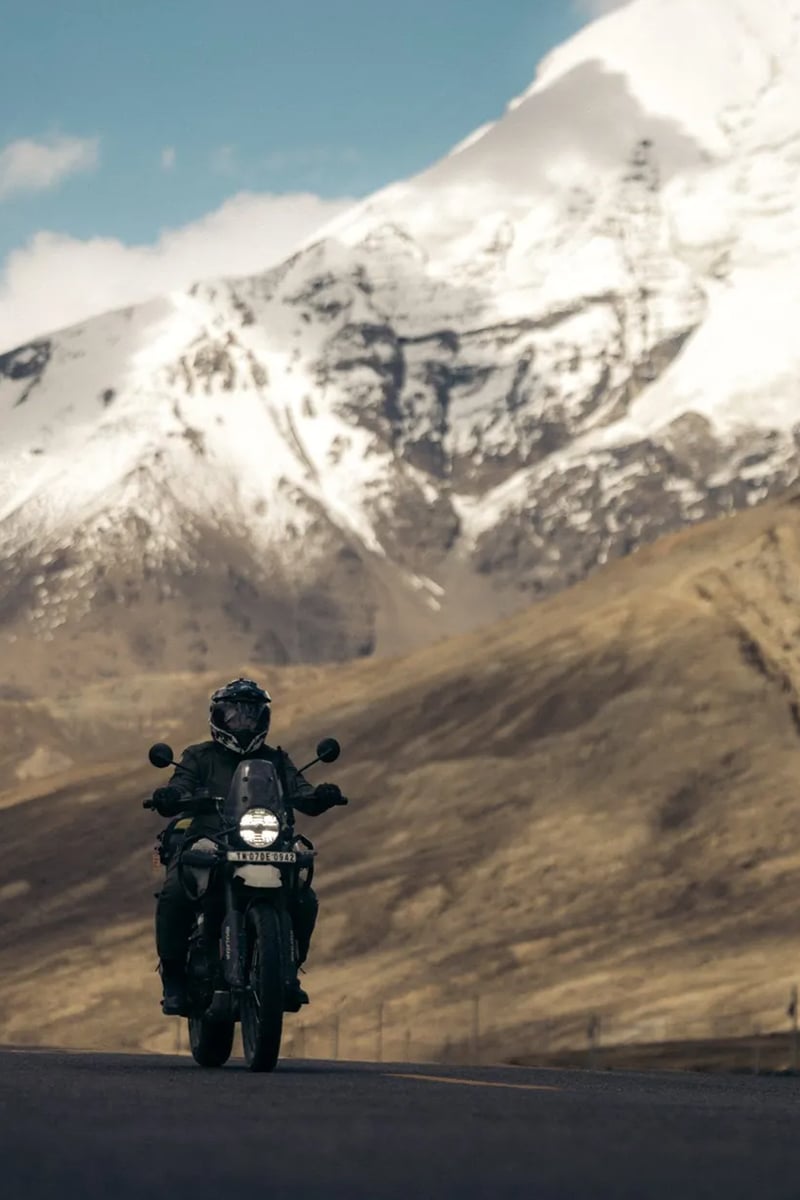
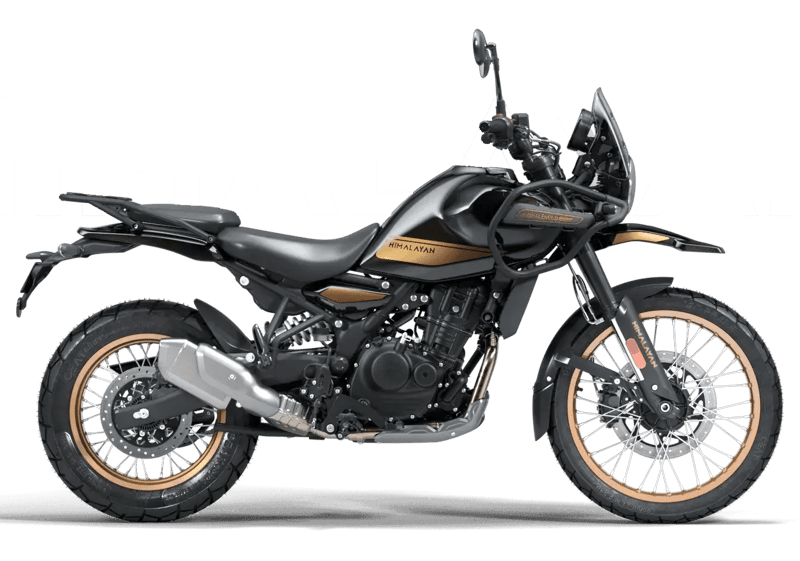
Royal Enfield Himalayan 450 (Base)
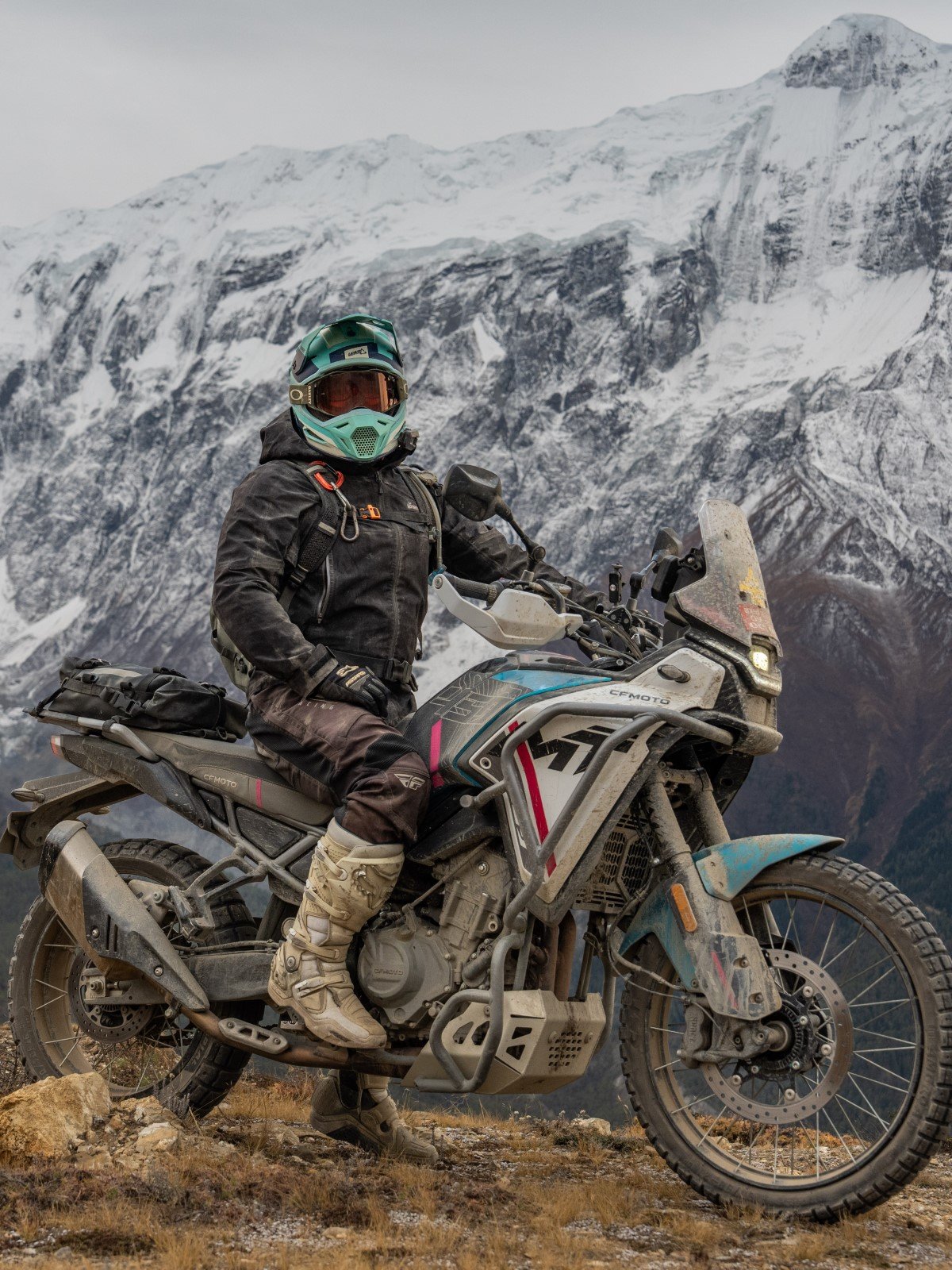
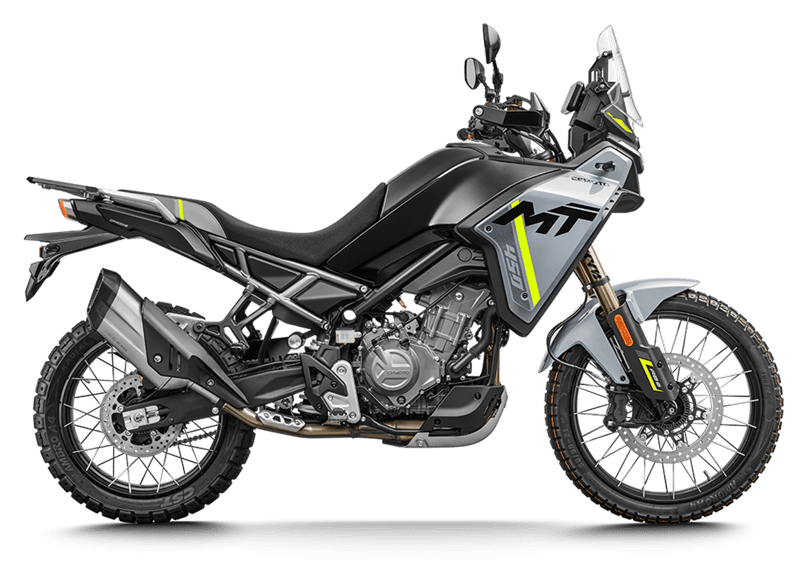
CF Moto 450MT (Upgrade)
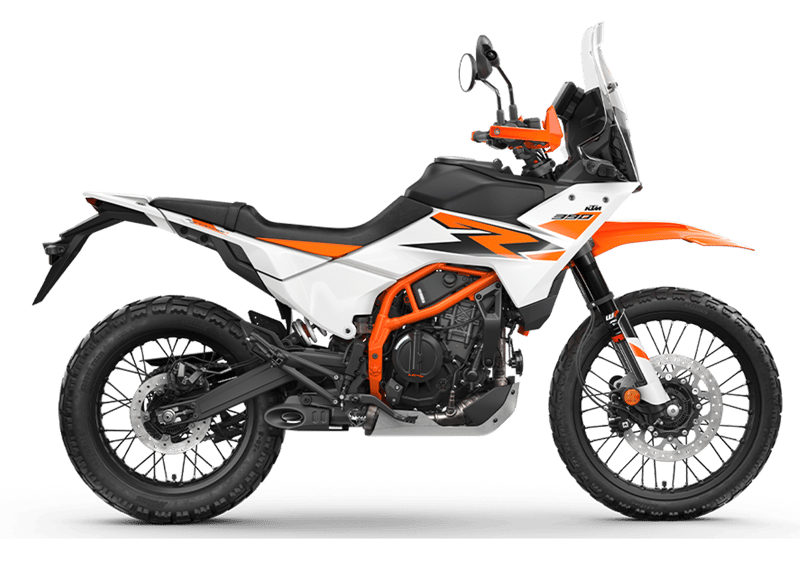
KTM 390 Adventure (Upgrade) -
Even balance of local & western food
-
USD 4,295 Per Rider
USD 3,695 Per Pillion
(Sign up Deposit : 25%)
Upcoming Trips
- Mar 02, 2026 – Mar 13, 2026 (Sold Out)
- Oct 05, 2026 – Oct 16, 2026
- Mar 01, 2027 – Mar 12, 2027
- Mar 16, 2026 – Mar 27, 2026
- Nov 16, 2026 – Nov 27, 2026
- Oct 04, 2027 – Oct 15, 2027
Tour Highlights
Tour
Highlights
Highlights
-
Ride remote backcountry trails that wind through Nepal’s diverse terrain, from jungle lowlands to high alpine deserts.
-
Explore the ancient Himalayan villages of Manang and Mustang, rich in culture and timeless charm.
-
Avoid major highways as you follow rugged off-road routes that few travelers ever experience.
-
Take in breathtaking views of Annapurna, Dhaulagiri, and other towering Himalayan giants along the way.
-
Cross dramatic high mountain passes and windswept plateaus on an unforgettable route built for adventure.
-
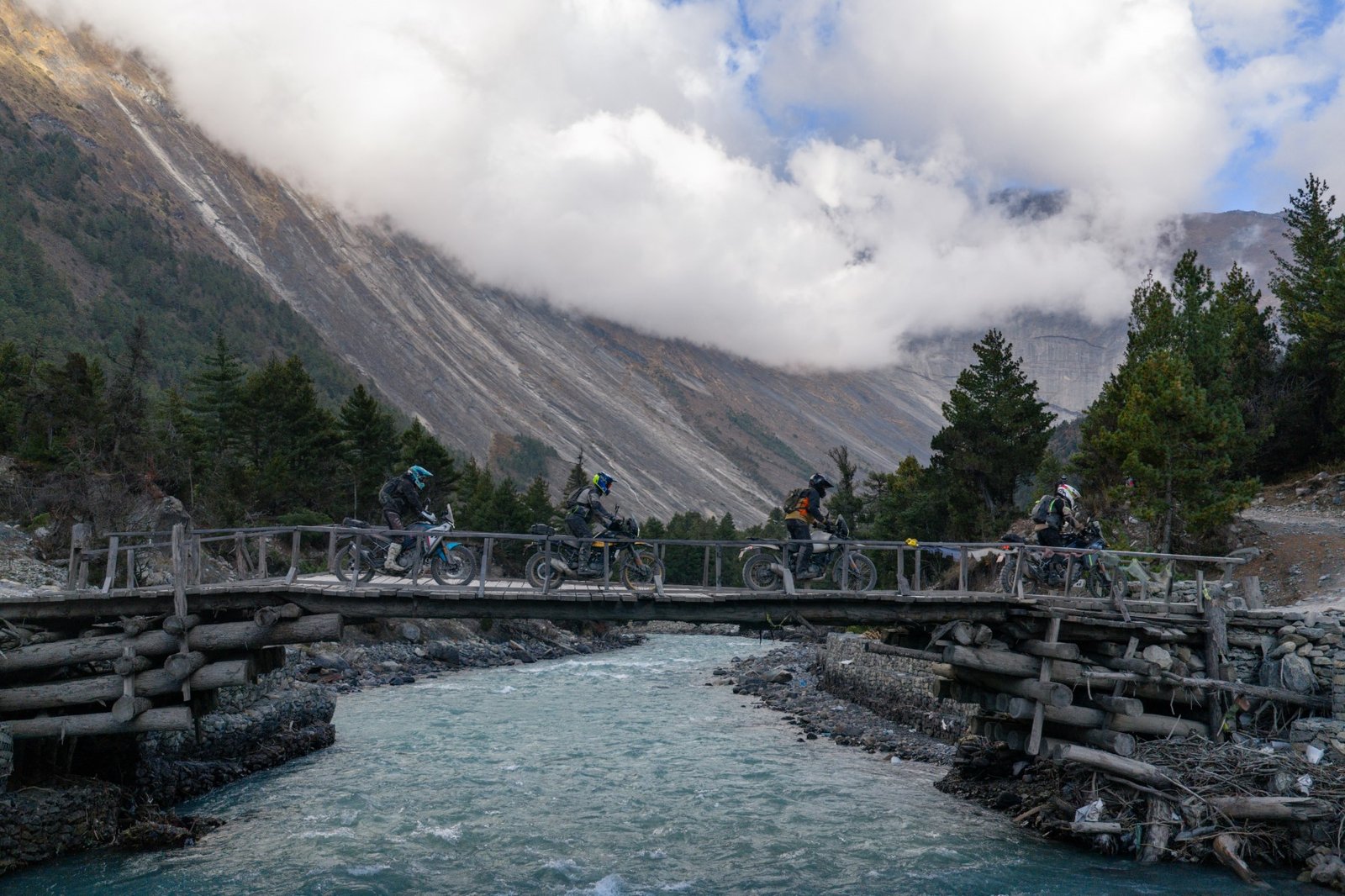
Ride on suspension bridges lined with prayer flags.
Beyond Roads, Into the Heart of Nepal
Trip
Itinerary
At Himalayan Rides, our tour itineraries are crafted with passion and meticulous precision, designed to deliver an authentic and unforgettable experience.
Our information pack includes a host of information such as maps, names of overnight accommodations, kit list, and important logistics details.
Day 01 – International Arrival / Tour Briefing / Bike Setup
Welcome to Nepal! Upon arrival at Tribhuvan International Airport, you’ll be greeted and transferred to our lush, forested base on the edge of Shivapuri National Park. Take the day to unwind from your flight before joining the group for a comprehensive tour briefing. We’ll walk through safety protocols, ride logistics, and get you fitted to your motorcycle.
Day 02 – Ride to Nuwakot
Our journey begins as we leave the Kathmandu Valley behind, trading urban bustle for terraced hillsides and pine-clad ridges. The ride to Nuwakot is a gentle introduction, winding through traditional villages before arriving at a beautifully restored 18th-century farmhouse overlooking the Trishuli River Valley.
Day 03 – Ride to Gorkha
We descend through lowland valleys and climb toward the historic seat of the Shah dynasty—Gorkha. The road becomes more remote, and the views more dramatic. Explore the old Gorkha Durbar (fort-palace) perched high above the town and soak in the mountain ambiance from your hilltop resort.
Day 04 – Ride to Chame
Today, we enter the Annapurna region. The road narrows into a wild mountain trail as we ascend through deep gorges and pine forests toward Chame, gateway to the trans-Himalayan Manang Valley. The terrain is technical, remote, and incredibly rewarding—this is true Himalayan adventure riding.
Day 05 – Manang Valley Exploration
Spend the day exploring the spectacular upper reaches of the Manang Valley. Depending on trail conditions, we may ride deeper toward Pisang or Braga, passing ancient stone villages, glacial rivers, and Buddhist stupas. Optional hike for those who want a break from the saddle.
Day 06 – Ride to Pokhara
A long, thrilling descent brings us back to the mid-hills. From alpine ridges to sub-tropical river valleys, this day offers incredible diversity. We ride back into civilization and arrive at Pokhara—Nepal’s adventure capital—just in time for a lakeside sunset.
Day 07 – Rest Day in Pokhara
A well-earned day of rest. Lounge by the pool, go paragliding, paddle on Phewa Lake, or explore the cafés and shops of Lakeside. Optional spa treatments and massage available to soothe sore muscles.
Day 08 – Ride to Jomsom
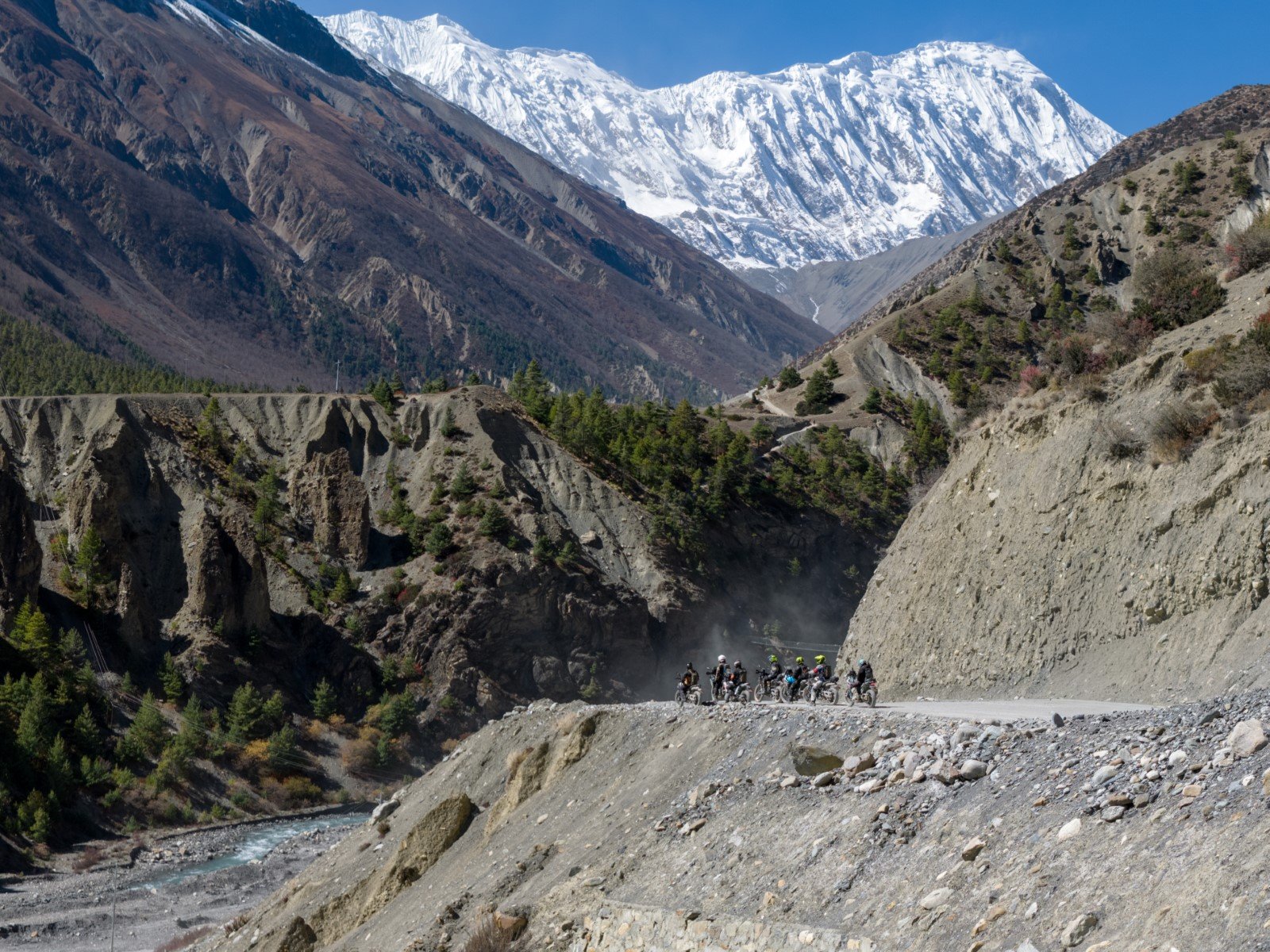
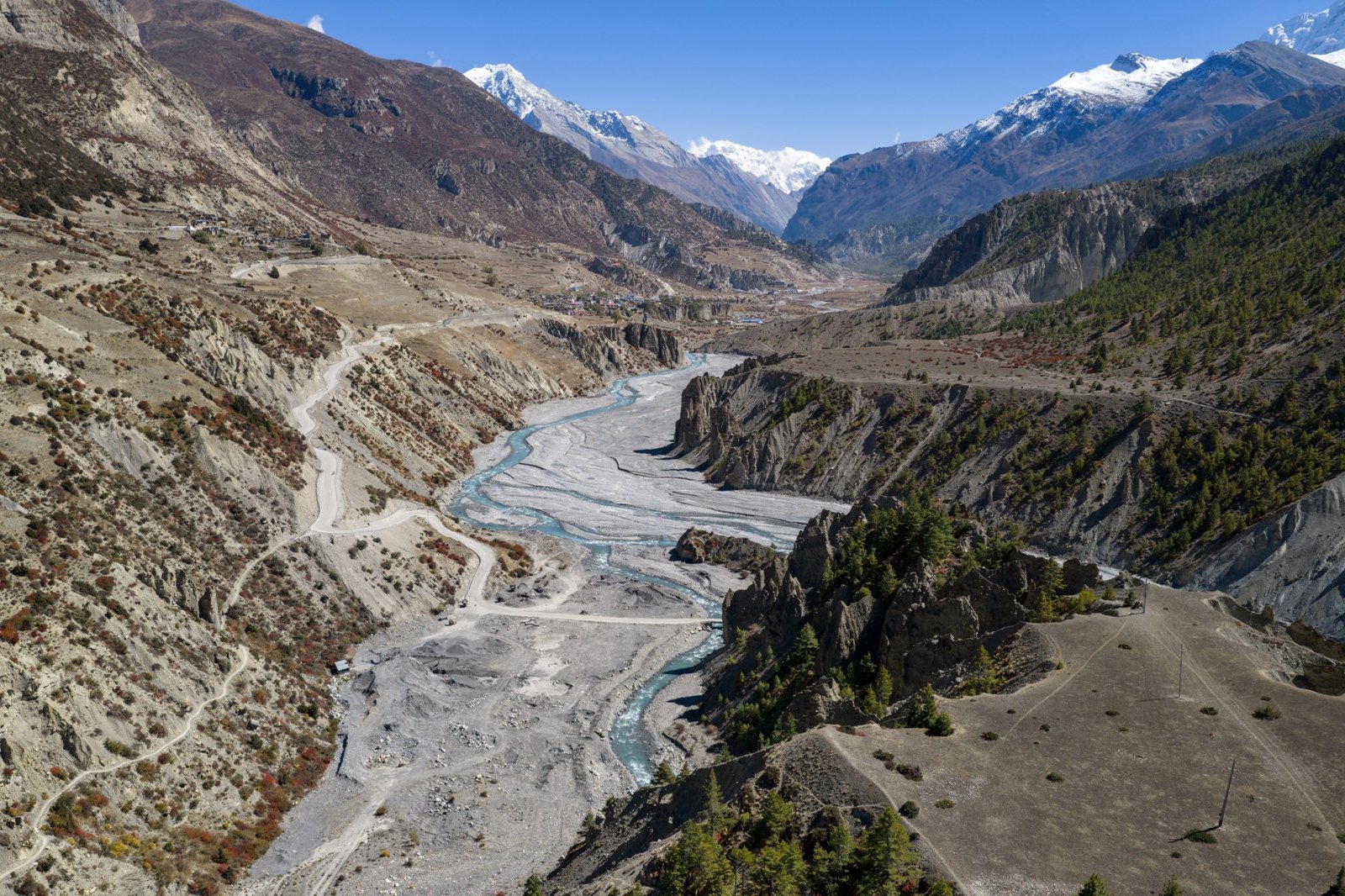
We ride north into the Kali Gandaki gorge—the deepest gorge in the world. The route climbs back into Mustang, a land of wind-swept deserts, red cliffs, and ancient trade routes. The final stretch to Jomsom is stark and beautiful, framed by Nilgiri and Dhaulagiri peaks.
Day 09 – Lower Mustang Exploration
Explore the hidden gems of Lower Mustang. Ride to the spiritual hub of Muktinath, visit the medieval village of Kagbeni, or enjoy a high-altitude coffee with a view. For those wanting a break, relax and breathe in the dry mountain air from the comfort of the lodge.
Day 10 – Ride to Pokhara
We retrace our route south, descending from Mustang’s alpine desert into the green valleys below. The journey feels entirely different in reverse—light shifts, terrain softens, and the comfort of Pokhara awaits.
Day 11 – Flight to Kathmandu / Farewell Dinner
A short, scenic flight whisks us back to the capital. The afternoon is yours to shop for souvenirs or revisit favorite city spots. In the evening, we gather for a celebratory farewell dinner—swapping stories and photos from the ride of a lifetime.
Day 12 – International Departure
Time to say goodbye. We’ll arrange your airport transfer and send you off with memories of dirt trails, mountain passes, and friendships forged in the high Himalayas.
Important Stopovers
Kathmandu
Kathmandu, the vibrant capital of Nepal, is the perfect starting point for our motorcycle adventure. Nestled in a valley surrounded by Himalayan hills, this bustling city is a captivating blend of ancient history, rich culture, and modern energy. From centuries-old temples and lively markets to hidden courtyards and traditional Newari architecture, Kathmandu offers an immersive glimpse into Nepal’s soul before we hit the open road. It’s a sensory overload — in the best way — and the ideal launchpad for the journey ahead.
Gorkha
Gorkha is a historic hillside town steeped in legend and pride, serving as our final stop before we enter the rugged landscapes of the Manang Valley. Known as the birthplace of Nepal’s unifier, King Prithvi Narayan Shah, Gorkha offers a unique mix of cultural heritage and panoramic Himalayan views. Perched between lush hills and terraced fields, this quiet town is home to the iconic Gorkha Durbar, a fortress-palace that overlooks the valley below. It’s a peaceful yet powerful place to pause, soak in Nepal’s history, and gear up for the high-altitude adventures ahead.
Manang
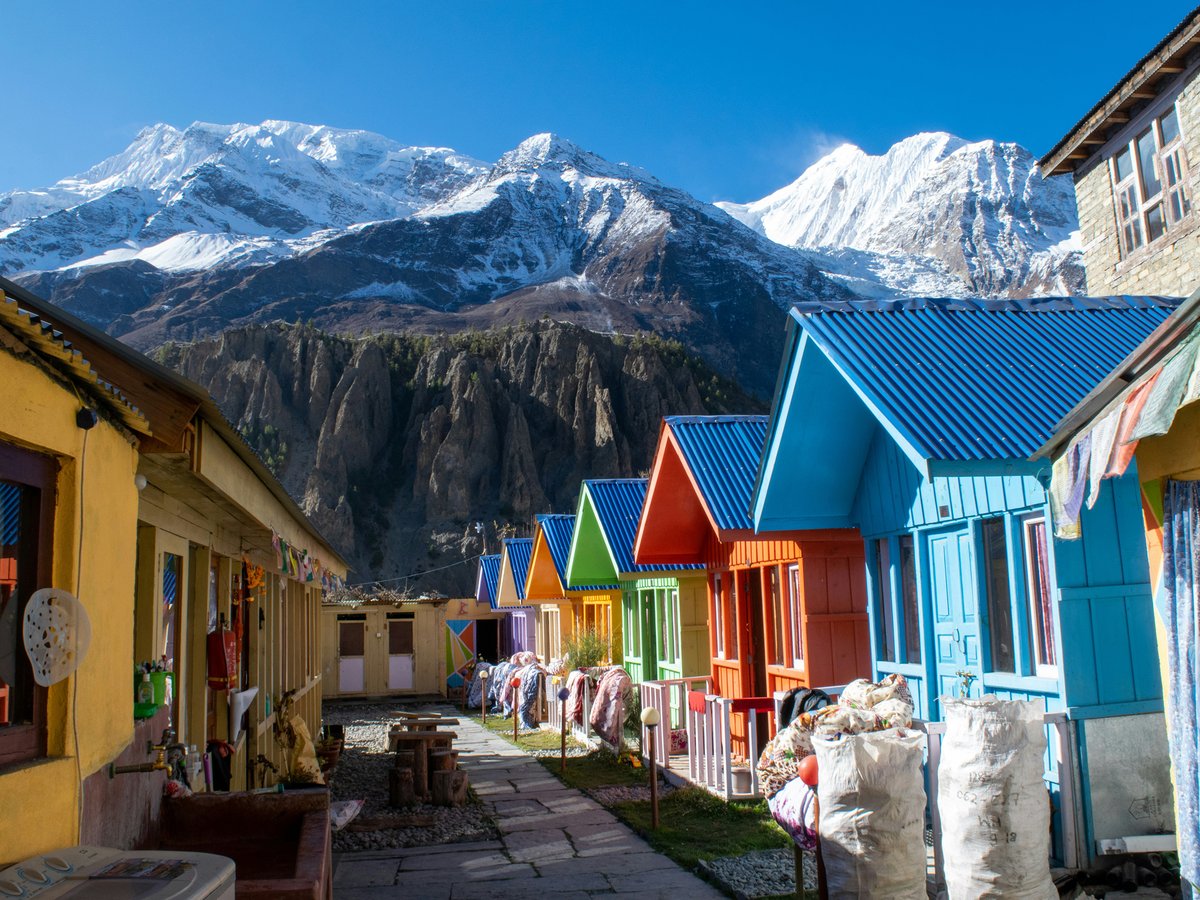
Manang is a remote mountain village nestled deep in the heart of the Annapurna region, surrounded by towering peaks, dramatic cliffs, and sweeping alpine landscapes. Sitting at over 3,500 meters, it’s a striking contrast to the lush lowlands we’ve ridden through — a high-altitude world of yaks, glaciers, and timeless Tibetan culture. With its prayer flags fluttering in the wind and snow-capped giants rising in every direction, Manang is both a spiritual refuge and a rugged frontier, offering a rare glimpse into life in the high Himalayas.
Pokhara
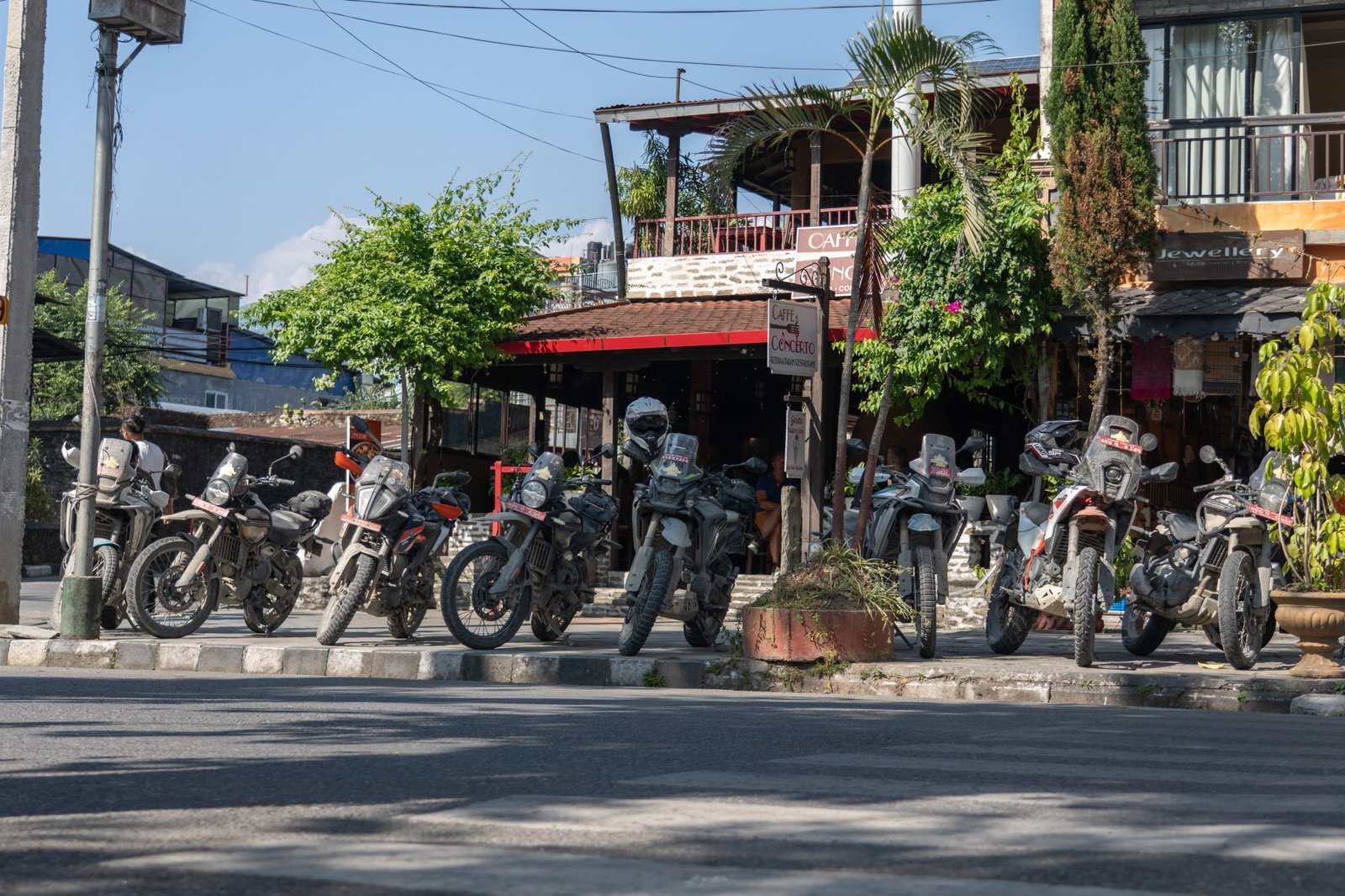
Pokhara is a serene lakeside city that offers the perfect rest stop between the rugged adventures of Manang and Mustang. Framed by the towering Annapurna range and centered around the tranquil waters of Phewa Lake, Pokhara blends natural beauty with laid-back charm. It’s a place to recharge — whether that means enjoying a hot meal by the lake, taking in the reflections of snow-capped peaks, or simply unwinding after days on the road. With its peaceful vibe and stunning scenery, Pokhara is a welcome pause before the next leg of our Himalayan journey.
Mustang
The Mustang Valley is one of Nepal’s most awe-inspiring regions — a stark, windswept landscape carved between two of the world’s tallest peaks, Dhaulagiri and Annapurna. This dramatic terrain forms the Kali Gandaki Gorge, recognized as the world’s deepest valley. Once part of an ancient trade route to Tibet, Mustang still carries the mystique of a lost kingdom, with its walled villages, cliffside caves, and centuries-old monasteries. Riding through Mustang feels like stepping into another world — raw, powerful, and deeply spiritual — where every turn reveals a new facet of the Himalayas’ untamed beauty.
The guides
on this trip
Arun Karki
Rajesh Magar
Mandil Pradhan
Additional Details
-
Your safety and peace of mind are our top priorities. While riding with Himalayan Rides is an adventure of a lifetime, travel in remote and high-altitude regions also comes with unique challenges and regulations. This section highlights important advisories, restrictions, and notices that every rider should be aware of before and during the journey.
Please take a moment to read through these carefully. By staying informed and respecting local rules, you’ll ensure a safer, smoother, and more rewarding journey for yourself and the group.
Disclaimer: The advisories and notices in this section take precedence over any other information provided on this website. In the event of conflicting details, always follow the guidance here.
No Special Advisories at This TimeThere are currently no additional travel advisories or notices in effect for this trip. Standard travel preparations and precautions apply.
-
This ride is built for experienced motorcyclists who aren’t afraid to get their hands and boots dirty. It’s not your typical scenic cruise—expect long, technical sections of dirt, rock, and mud, especially challenging after rain. If you’re confident off-road, comfortable in remote terrain, and up for an unpredictable adventure, this route delivers in spades.
-
Your safety is our highest priority. Riding through the Himalayas is an incredible experience—but it also comes with real challenges, from unpredictable terrain to high-altitude roads and remote conditions. This section outlines everything you need to know to stay safe on tour, including what personal gear to bring, how we manage traffic and road conditions, and the kind of insurance you’ll need to travel with peace of mind.
Traffic & Road SafetyTraffic in South Asia is very different from what you might be used to in the West, and even seasoned riders need some time to adapt. We’ve designed our route to minimize riding on major highways and busier roads, but there are still sections where you will encounter more traffic.
When riding through busier areas, our guides are adept at keeping the group together and communicating effectively to ensure everyone’s safety. They’re skilled at managing the flow of bikes and will guide you through traffic as a cohesive unit.
Prior to departure, we provide a thorough briefing on what to expect from the roads and traffic habits, including how to handle unexpected hazards and adapt your riding style. We also offer ongoing guidance during the trip itself—through communications on the road, rest-stop briefings and informal discussions—to help you become confident in dealing with the local road conditions.
This combination of careful route planning, experienced guidance and continuous support ensures you can enjoy the adventure of riding in the Himalayas while staying safe and well-prepared.
Safety GearFor your comfort and safety, you’ll need to bring your own riding gear. At a minimum, this should include a helmet, appropriate riding clothing, gloves, sturdy boots and any body protection you normally use, such as knee or elbow guards. Proper gear is essential for protecting yourself against changing weather conditions and the varied terrain of our route.
We’ve partnered with Kavach, a Nepal‑based motorcycle gear company, for riders who prefer not to travel with heavy gear or who are looking to purchase new equipment for their big Himalayan ride. Kavach offers a range of high‑quality (and custom fitted) jackets, trousers and other protective items, all available locally at fair prices.
Supporting Kavach aligns with our commitment to promote local businesses and invest back into the communities that make our trips possible. As part of our partnership, we also run a gear donation program. If you don’t want to take your used riding gear home, you can donate it through us; Kavach will ensure it goes to motorcyclists in need. This program not only helps extend the life of your equipment—reusing gear instead of discarding it—but also benefits the local community by putting quality safety gear into the hands of riders who might otherwise go without.
Personal HealthWhile no mandatory vaccinations are required to enter the country, we recommend riders be up to date on common travel immunizations such as Hepatitis A and B, typhoid, rabies, and Japanese encephalitis. The most frequent health issues travelers experience here are stomach-related, usually from drinking untreated water or eating contaminated food.
To stay safe, avoid drinking tap water or using ice that hasn’t been purified. Bottled mineral water is widely available throughout the country, and we’ll make sure you’re stocked up along the route.
As we’ll be riding at high altitudes — sometimes over 2,500 meters — it’s important to understand and respect the effects of elevation. Ascending too quickly can lead to altitude sickness, with early symptoms like headaches or nausea. The key is to pace yourself and let your body adjust naturally as we climb.The Himalayan sun can be intense, especially at altitude, so wearing strong sunscreen and proper sunglasses is a must. Staying hydrated is just as important — even if it’s cool and you’re not feeling thirsty, keep drinking water regularly while on the bike.
We also recommend bringing a basic travel medical kit with essentials like paracetamol or aspirin for pain or fever, and something for upset stomachs (like Pepto-Bismol or similar).
Your safety is our top priority. All Himalayan Rides participants are covered by Global Rescue, which provides emergency medical and evacuation support in case of serious illness or injury on the road.
Before you travel, be sure to check in with your doctor for personalized medical advice — especially if you have pre-existing conditions or are concerned about any vaccinations.InsuranceTo ride with Himalayan Rides, comprehensive travel insurance is required. Your policy must include medical coverage and personal accident protection, and it must specifically cover motorcycle touring in remote areas and at altitude.
We strongly recommend that your insurance also covers trip cancellations, baggage, and personal gear, especially if you’re bringing your own motorcycle equipment.
In addition to your main travel insurance, all riders on Himalayan Rides tours are automatically covered by Global Rescue for emergency evacuation and rescue services only. Please note: Global Rescue is not a replacement for standard travel insurance — it is a supplementary safety measure, providing backup support in case of serious injury or emergency evacuation in remote regions.
You’ll need to arrange your primary travel insurance separately and ensure it meets the coverage requirements before your trip.
-
At Himalayan Rides, we believe in complete transparency with our riders—especially when it comes to pricing. We understand that planning a motorcycle adventure involves trust, and we want you to feel confident knowing exactly what you’re paying for. That’s why we ensure there are no hidden costs or last-minute surprises. Below, you’ll find a clear and comprehensive breakdown of all expenses associated with this trip.
Tour PriceUSD 4,295 Per Rider
USD 3,695 Per Pillion
(Sign up Deposit : 25%)Note: The deposit will be charged at the time of reservation. Remaining balance will be due 60 days prior to the trip.
Optional Add-onsEverest Sightseeing Flight - USD 250 Per Person
Single Room Supplement - USD 995 Per Transfer
Extra Airport Shuttle - USD 45 Per Person
Notes:
Extra Airport Shuttle is only required if arriving or departing more than 2 days beyond the trip.
The Everest Sightseeing Flight includes transportation to/from Airport, and is dependent on weather conditions, as determined by the operating airline, to ensure clear views of Mount Everest. If the airline deems the weather unsuitable for optimal visibility, the flight will be cancelled and a full refund will be issued.
Booking the “Single Room Option” ensures you will have a room to yourself, however is NOT in any way an upgrade in accommodation.
Single rooms are subject to availability, and if any accommodation is not able to provide a single room, then a pro-rated refund will be issued.
Bike UpgradesThe base bike on this trip is a Royal Enfield Himalayan 450 (or similar). If you would like to upgrade the bikes, the following is the make / model and price of the bike:
Royal Enfield Himalayan 450 - Included
CF Moto 450MT - USD 250
KTM 390 Adventure - USD 200Note: Bike upgrades are subject to availability. If the chosen bike is not available, then a full refund will be issued.
-
This trip is operated on an all-essentials-included basis, covering everything you need for a smooth and memorable adventure. Accommodation, meals, transportation, necessary permits, motorcycle rental, fuel, and guiding services are all included. To ensure full clarity, below is an explicit breakdown of what is included in the trip cost—and what is not included—so you know exactly what to expect.
Included In The Price- Expert guidance from fully qualified, English-speaking motorcycle tour leaders for the entire duration of the trip
- All meals, beginning with dinner on Day 1 and concluding with breakfast on Day 12
- 11 nights of carefully selected accommodation
- All required national park entry fees and heritage site permits
- All overland transportation and ground logistics throughout the tour
- Support vehicle for luggage and motorcycle transport (where required)
- Mechanical support throughout the trip for routine tune-ups and minor repairs
- One internal flight between Pokhara and Kathmandu
- Airport pick-up on Day 1 and drop-off on Day 12 at specified times (from/to our recommended hotel in Kathmandu)
- Emergency medical and evacuation coverage provided through Global Rescue
- 1% of your tour fee is donated to environmental initiatives through our partnership with 1% for the Planet
Not Included In The Price- International flights to and from Nepal
- Travel and activity insurance (mandatory for all riders)
- Nepalese visas (must be purchased on arrival)
- Tips and gratuities for staff and guides
- Single room supplement (available as an optional add-on)
- Alcoholic and non-alcoholic beverages
- Personal motorcycle safety gear and riding clothing
- Any damage to motorcycles caused by the rider
- Any other expenses not specifically listed under “What’s Included”
TippingTipping isn’t mandatory but it’s always appreciated — especially by the hardworking crew that makes your Himalayan Rides experience smooth and unforgettable.
If you’ve had a great time (and we think you will!), a tip of around 10% of your tour cost is a thoughtful gesture. This is usually handed to your lead guide at the end of the journey, who will fairly distribute it among the entire support team — including mechanics, drivers, and local fixers.
-
Planning a trip to South Asia—or the other side of the world—takes more than just booking a flight. It’s about understanding the culture, logistics, and small details that make travel smoother. In this section, you’ll find essential information to help you prepare for your journey, including guidance on arrival and departure, what to expect on the ground, food and accommodation insights, and other practical tips to help you make the most of your adventure.
Arrival & Start Of TourYour Himalayan Rides motorcycle expedition kicks off in Kathmandu.
If you’re arriving one or two days before the official start of the tour, we’ve got you covered—airport transfers to your hotel are included in the trip cost. If you are arriving more than 2 days prior to the start of your trip, you have the option of purchasing a ‘Airport Shuttle’ add-on at the time of booking the trip or by getting in touch with us.
After clearing immigration at Tribhuvan International Airport, you’ll find your driver waiting across the road outside the arrivals terminal, holding a Himalayan Rides sign.
We recommend staying at Hotel Ambassador in Kathmandu, which serves as the official meeting point on Day 1. We’re happy to arrange additional pre- or post-tour nights there for you. If you’re staying elsewhere, you’ll need to make your own way to Hotel Ambassador for the group departure on the first day.
The first and last days of the tour are set aside for arrival and departure. We ask that you arrive in Kathmandu no later than 12:00 noon on Day 1 .
To allow time for rest, possible flight delays, and adjusting to the local timezone, we strongly recommend arriving in Kathmandu at least a day or two before the tour officially begins.
Departure & End of TourYour Himalayan Rides motorcycle expedition concludes in Kathmandu.
If you’re departing within two days after the official start of the tour, we’ve got you covered—transfers to the airport are included in the trip cost. If you are departing more than 2 days prior to the start of your trip, you have the option of purchasing a ‘Airport Shuttle’ add-on at the time of booking the trip or by getting in touch with us.
It is recommended that you reach the airport at least 3 hours before your flight. We will communicate with you directly at the end of the trip to coordinate your pick up time at the hotel.
We recommend staying your extra days at Hotel Ambassador in Kathmandu, which is our recommended address in Kathmandu. We’re happy to arrange additional post-tour nights there for you.
We ask that you depart Kathmandu no earlier than the morning of last official day of the tour .
Tourist Visa To NepalTourist visas for Nepal can be obtained on arrival at Tribhuvan International Airport in Kathmandu. Visa fees can be paid by card or in US dollars (cash).
To save time after a long flight, you may prefer to apply online in advance through VisaHQ or the official Nepal immigration site. Please note that third-party services may charge slightly more.
To be eligible for a tourist visa, your passport must have at least two blank pages and be valid for a minimum of six months beyond your intended departure date from Nepal.
Regardless of the method you choose, it is your responsibility to ensure that your travel documents are valid and meet all current entry and exit requirements for Nepal.
Travel Routes to KathmanduFor riders joining the motorcycle tour from Europe, Africa, or the Atlantic coasts of North or South America, the most convenient flight paths are typically through major Middle Eastern transit hubs such as Doha, Bahrain, or Abu Dhabi, as well as Delhi.
Airlines frequently operating on these routes include Qatar Airways, Etihad Airways, and Gulf Air.
If you’re traveling from the Pacific coasts of the Americas, or from Australia and New Zealand, the most efficient connections are generally via Southeast Asian cities like Bangkok, Singapore, or Hong Kong.
Common airlines serving these routes include Thai Airways, Silk Air, and Dragon Air.AccommodationMost of the accommodation we use on this motorcycle tour consists of locally-run mountain lodges, hotels, and rural retreats. While they may be simple compared to Western hotels, they offer a surprising level of comfort given how remote these regions are — and their warmth and hospitality more than make up for the lack of luxury.
We’ve spent years exploring these routes to handpick the most comfortable stays available, carefully designing the itinerary to strike a balance between adventure and rest.
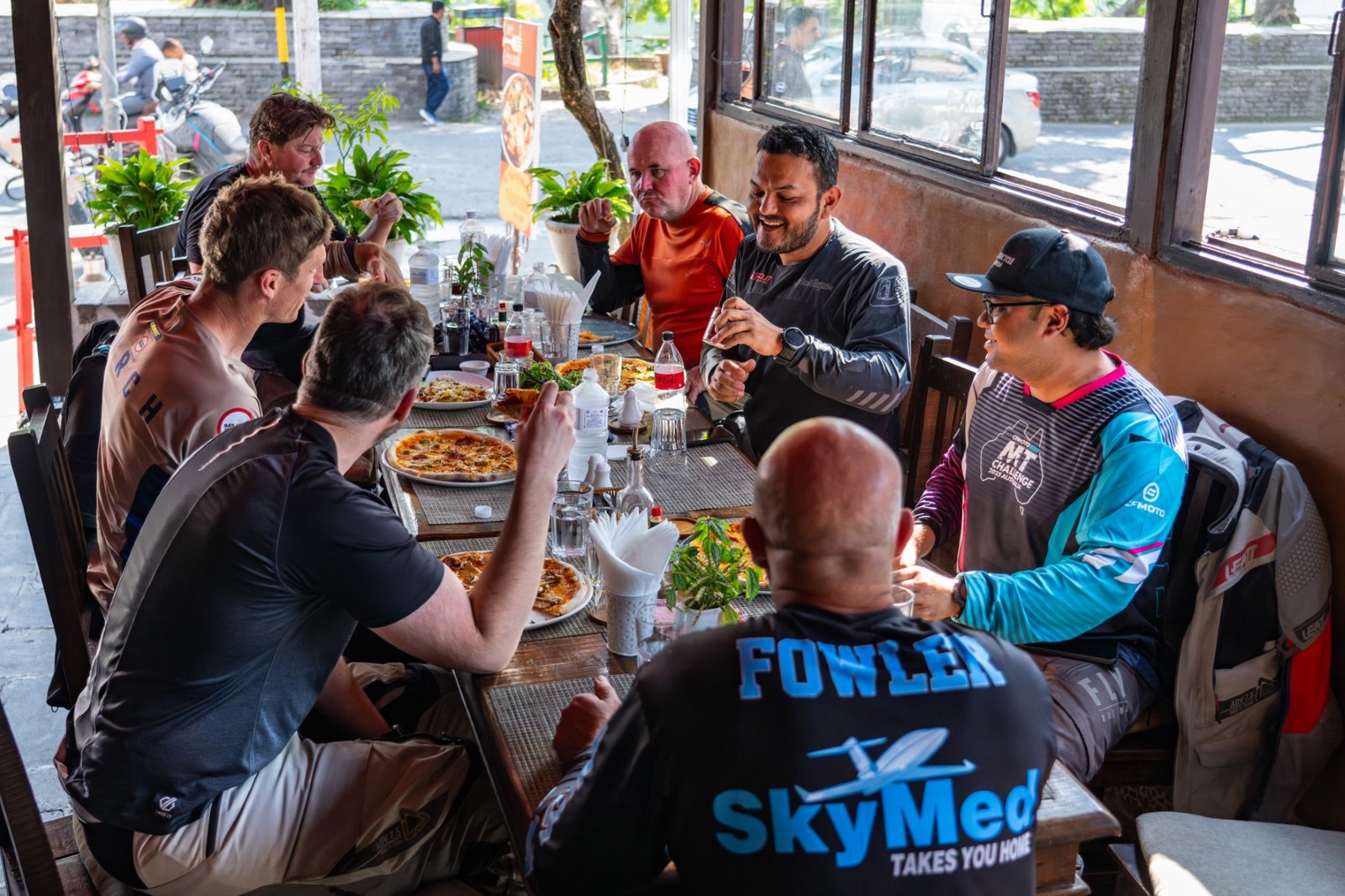
FoodMeals are a memorable part of the journey. You’re welcome — and encouraged — to try traditional fare, made fresh and often from organic, local ingredients. But most places also offer a broad menu, so if you’re craving something more familiar, you might find yourself tucking into a Himalayan lasagna or even a yak steak.
All meals are included in the tour, and we’ll dine together as a group — sharing stories from the road over hearty, well-earned food.
ElectricityNepal operates on 230 volts with a 50Hz frequency, and the most common plug types are Type C, D, and M — similar to those used in many parts of Europe and Asia. We recommend bringing a universal travel adapter to ensure compatibility with your devices.
Power cuts, known locally as load-shedding, are not uncommon — especially in rural or remote areas where we’ll be riding. While most hotels and lodges have backup systems or solar power, it’s wise to keep essential devices like your phone, camera, or GoPro charged whenever you have the chance. A portable power bank can also in handy on the road.
Money & ExchangeThe local currency in Nepal is the Nepali Rupee (NPR). While major foreign currencies like US Dollars, British Pounds, Euros, and Australian Dollars are often accepted in tourist areas, it’s best to convert your cash into Nepali Rupees when you arrive — either at the airport or a licensed bank.
Important: The Nepali Rupee is a closed currency, meaning you won’t be able to exchange it before arriving in Nepal. Plan to exchange upon arrival. There’s also an ATM conveniently located across from Hotel Ambassador in Kathmandu.
ATMs can be found in cities like Kathmandu and Pokhara, but once we hit the road and venture into remote regions, cash is king. Be sure to withdraw or exchange enough for any personal expenses, snacks, drinks, or souvenirs during the trip.
LaundryThere is an opportunity to do laundry mid‑tour in Pokhara.
-
How many riders will be in the group?
We keep our tour groups small to ensure an exceptional experience. Typically, there are up to 12 riders per trip, and we need a minimum of 4 participants for the tour to run.
What’s the typical age range of riders?Most of our riders are between about 30 and 65 years old. The important thing is that you have the required fitness and riding ability – age is less important than being physically prepared for the demands of the tour.
What style of tour is this?This is a fully guided motorcycle adventure through Nepal designed for intermediate‑level riders and above. You’ll ride a mix of paved and dirt roads and trails through forests, villages, high plateaux and mountain passes. Expect climbs, technical sections and exhilarating descents, along with high‑altitude riding.
Do I have to carry all my gear?No. You’ll only carry a small day pack on your bike. A support vehicle transports your luggage and has it waiting for you at the end of each day.
Who will be guiding us?Your guides are experienced local riders who know the culture and landscape inside out. Their top priority is your safety, but they’re also there to make sure you enjoy every minute of your ride and to answer any questions along the way.
What accommodation can I expect?Most nights are spent in locally run mountain lodges, small hotels and rural retreats. These simple yet comfortable stays balance the remote nature of the route with genuine hospitality. We’ve hand‑picked each property to give you the best combination of adventure and rest after a day’s ride.
Which meals are included?All meals are included, starting with dinner on day one and ending with breakfast on the final day of the tour.
Do I need to tip the guides?Tipping isn’t mandatory, but it is appreciated. A guideline of around 10% of your tour cost is common; this is shared among guides, drivers and support staff. Ultimately, whether and how much you tip is up to you and should reflect the service you feel you’ve received.
What clothing and kit should I bring?We have a full kit list that covers everything from riding gear and protective equipment to personal items. Please request one by email if you don’t have one and refer to it to ensure you’re well prepared.
Is there an opportunity to do laundry?Yes. There is an opportunity to do laundry mid‑tour.
Can I bring a drone?No. Drones are not permitted on tour, as their use across Himalayan regions is subject to conflicting local laws, strict regulations, and often unclear enforcement. Rules can vary widely between countries and even specific areas, and flying without the proper clearances may lead to fines, confiscation, or other complications. To avoid these issues — and to ensure a safe, uninterrupted riding experience for everyone — we ask that guests leave drones at home.
Can I bring my own accessories for the rental bike?Yes. You’re welcome to use GPS units, mobile‑phone holders or soft rackless panniers on our rental bikes. There are no restrictions on those types of accessories. To avoid carrying gear that won’t fit, please check compatibility in advance—either with the accessory manufacturer or with us—so you can be sure your equipment will mount correctly on the bike we provide.
Related Trips
-
Not Available Available PackagesMondayMarch 2, 2026FridayMarch 13, 2026$4,295AvailableSold Out
-
Guaranteed Available PackagesMondayMarch 16, 2026FridayMarch 27, 2026$4,29511Available
-
Guaranteed Available PackagesMondayOctober 5, 2026FridayOctober 16, 2026$4,2953Available
-
Guaranteed Available PackagesMondayNovember 16, 2026FridayNovember 27, 2026$4,29512Available
-
Guaranteed Available PackagesMondayMarch 1, 2027FridayMarch 12, 2027$4,29512Available
-
Guaranteed Available PackagesMondayOctober 4, 2027FridayOctober 15, 2027$4,29512Available