While no mandatory vaccinations are required to enter the country, we recommend riders be up to date on common travel immunizations such as Hepatitis A and B, typhoid, rabies, and Japanese encephalitis. The most frequent health issues travelers experience here are stomach-related, usually from drinking untreated water or eating contaminated food.
To stay safe, avoid drinking tap water or using ice that hasn’t been purified. Bottled mineral water is widely available throughout the country, and we’ll make sure you’re stocked up along the route.
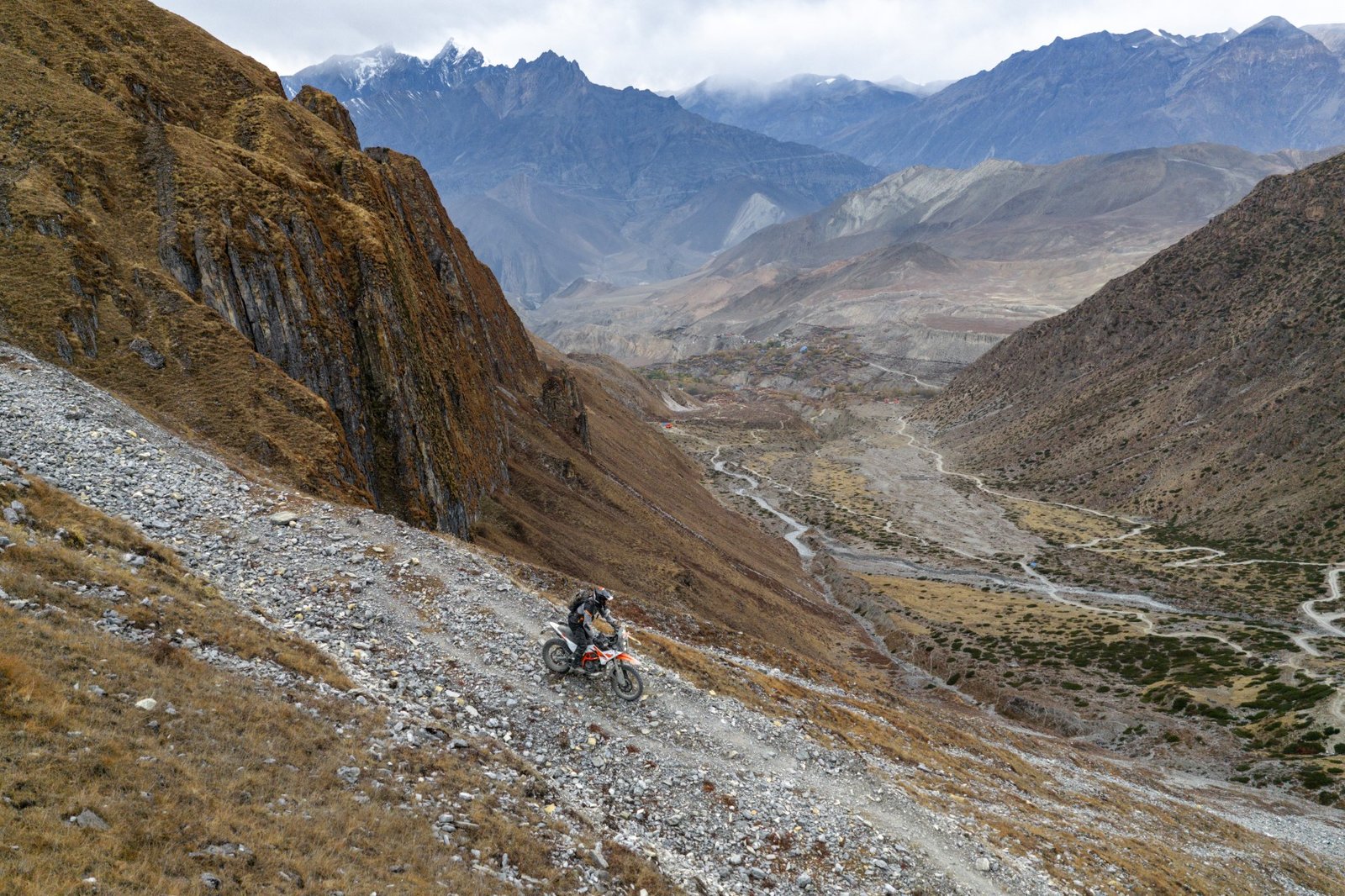
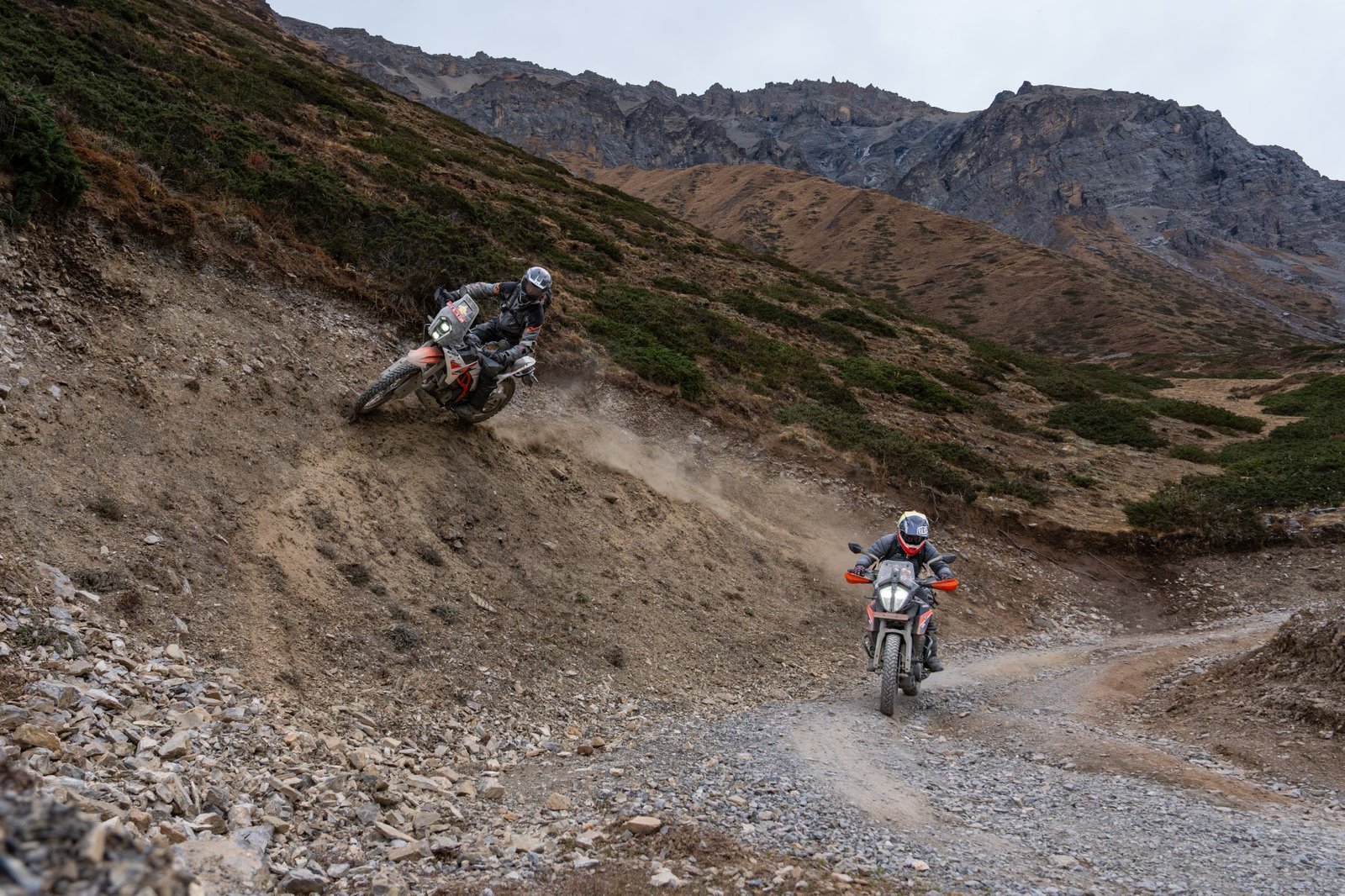
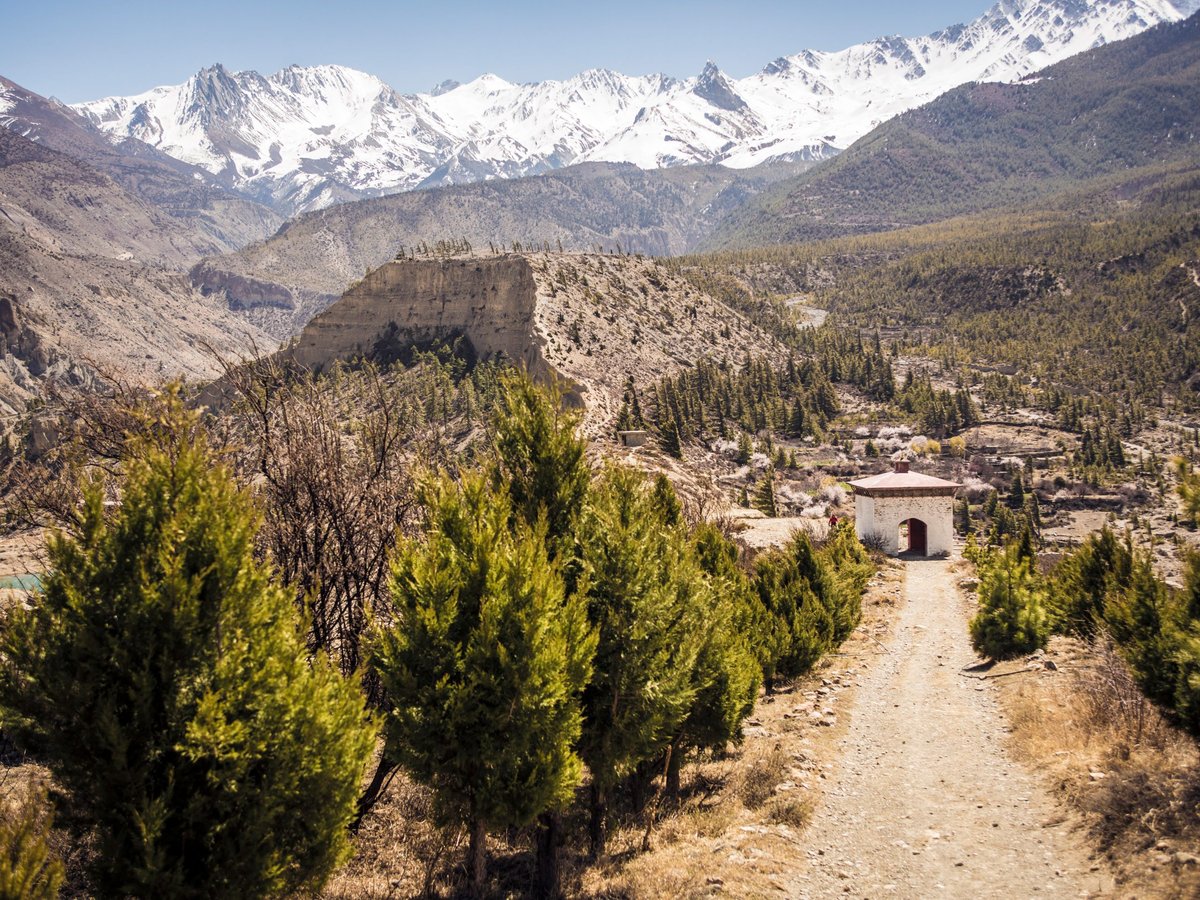
As we’ll be riding at high altitudes — sometimes over 2,500 meters — it’s important to understand and respect the effects of elevation. Ascending too quickly can lead to altitude sickness, with early symptoms like headaches or nausea. The key is to pace yourself and let your body adjust naturally as we climb.
The Himalayan sun can be intense, especially at altitude, so wearing strong sunscreen and proper sunglasses is a must. Staying hydrated is just as important — even if it’s cool and you’re not feeling thirsty, keep drinking water regularly while on the bike.
We also recommend bringing a basic travel medical kit with essentials like paracetamol or aspirin for pain or fever, and something for upset stomachs (like Pepto-Bismol or similar).
Your safety is our top priority. All Himalayan Rides participants are covered by Global Rescue, which provides emergency medical and evacuation support in case of serious illness or injury on the road.
Before you travel, be sure to check in with your doctor for personalized medical advice — especially if you have pre-existing conditions or are concerned about any vaccinations.