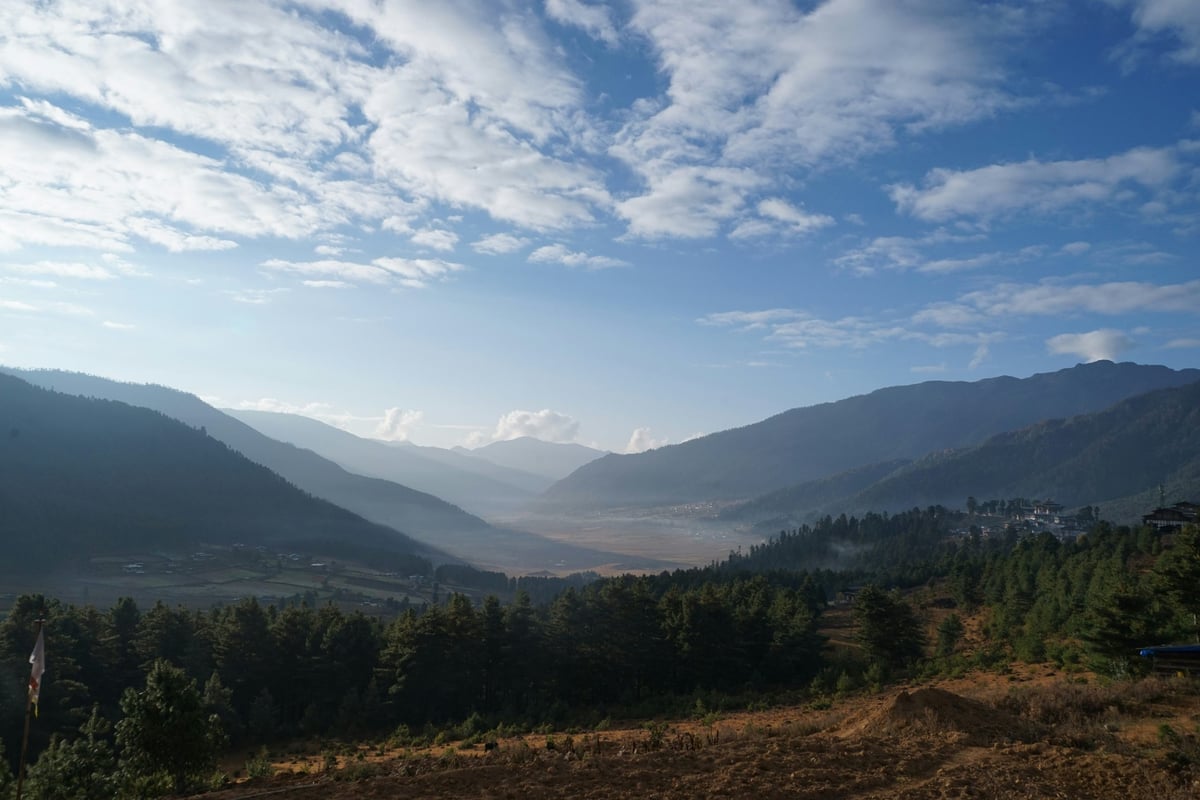
Phobjikha
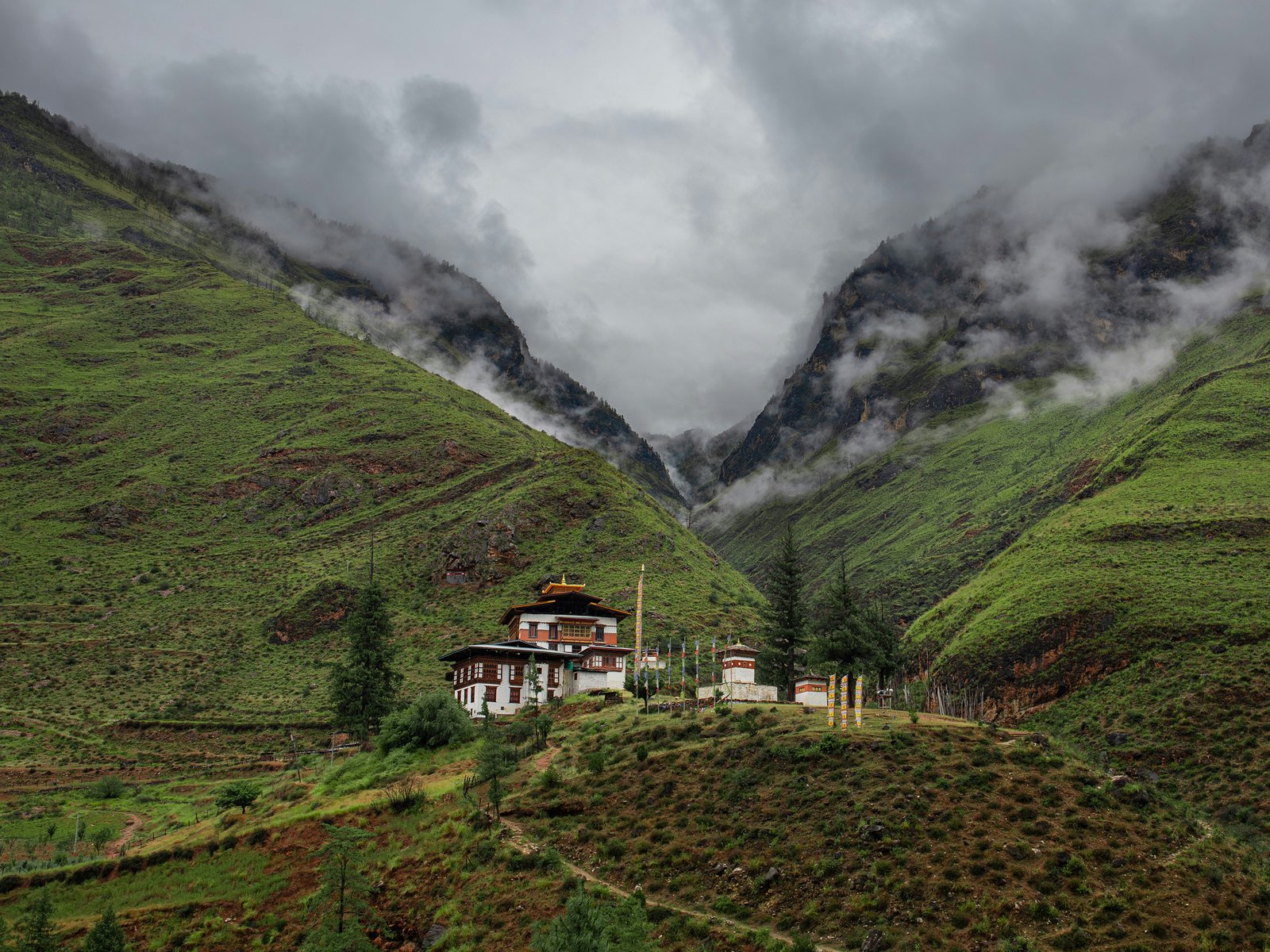
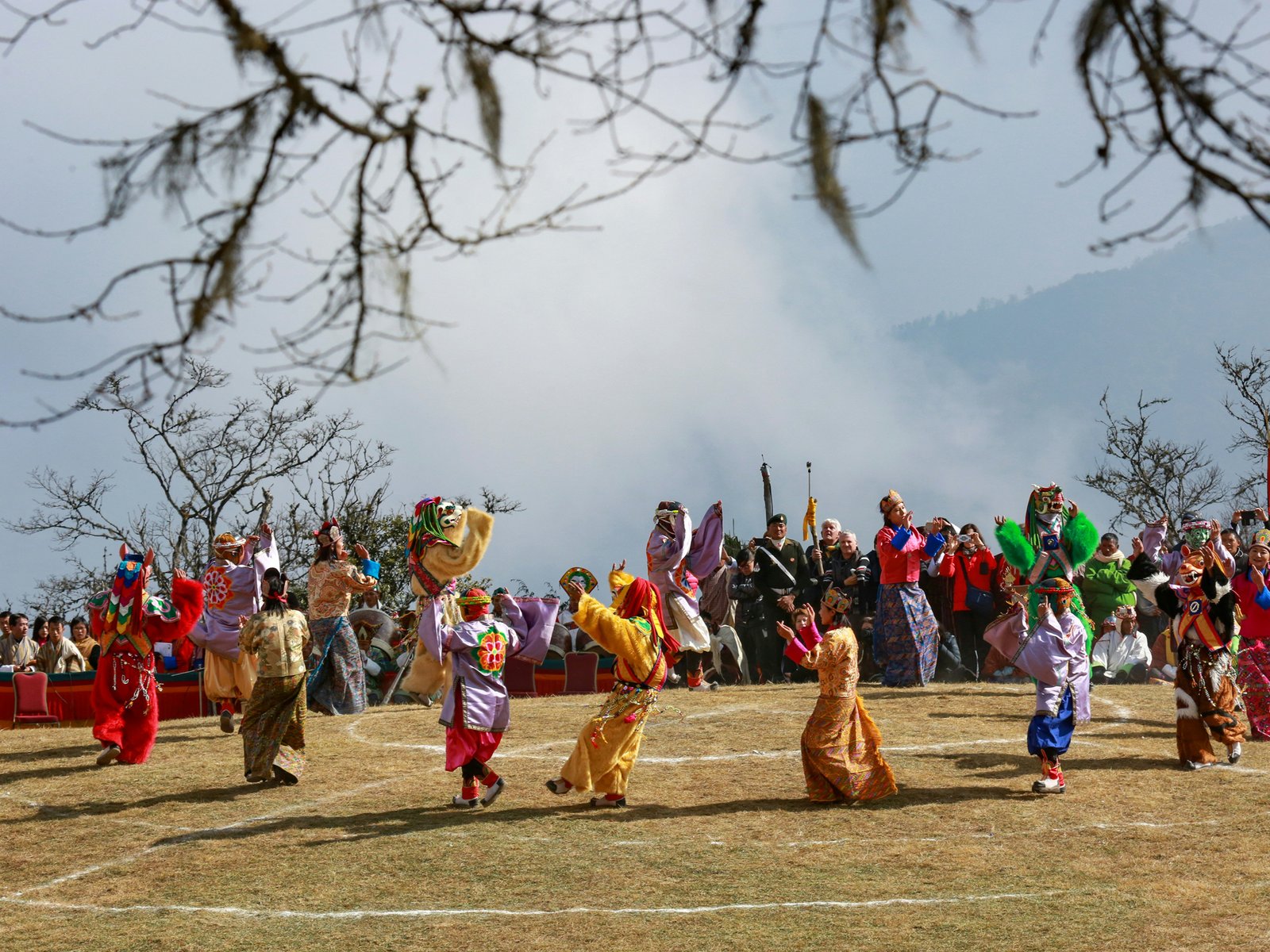
A wide glacial bowl famed for wintering black-necked cranes. Mist over meadows, forests on the rim, and the hilltop Gangtey Gompa—nature and stillness in perfect balance.
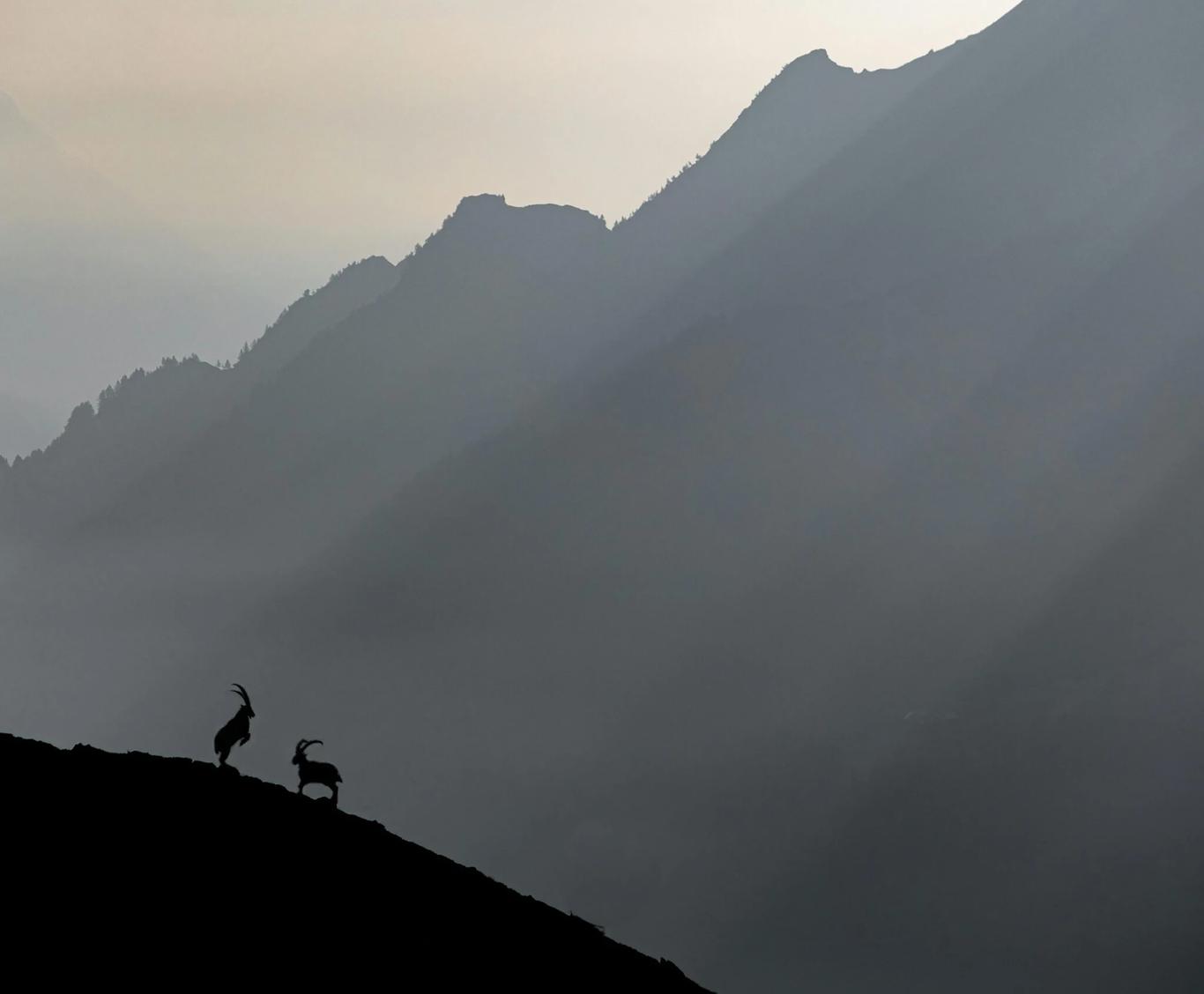
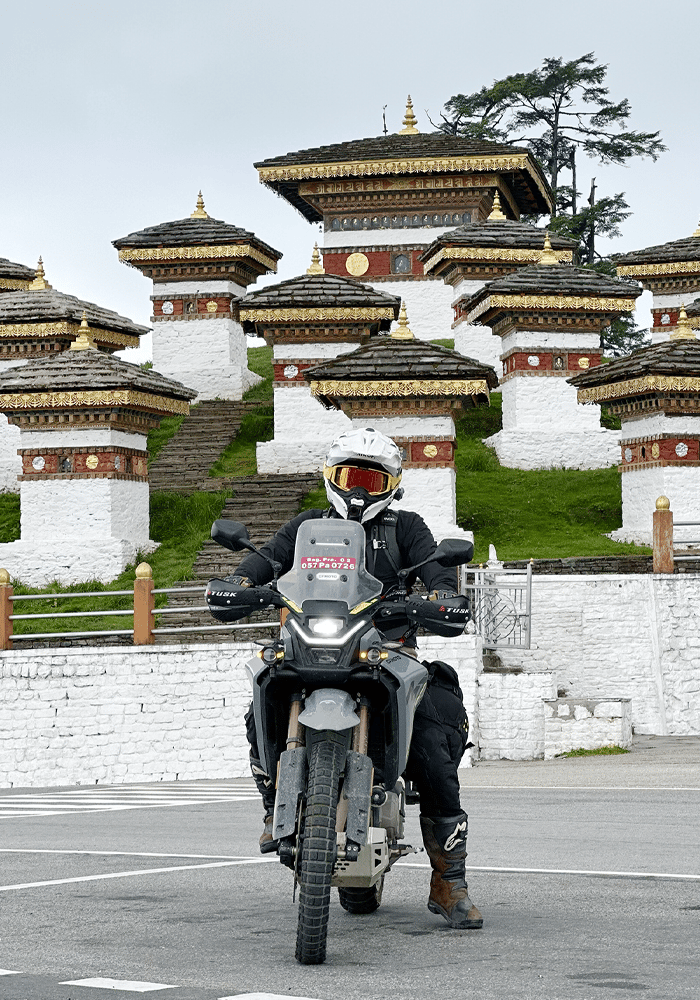
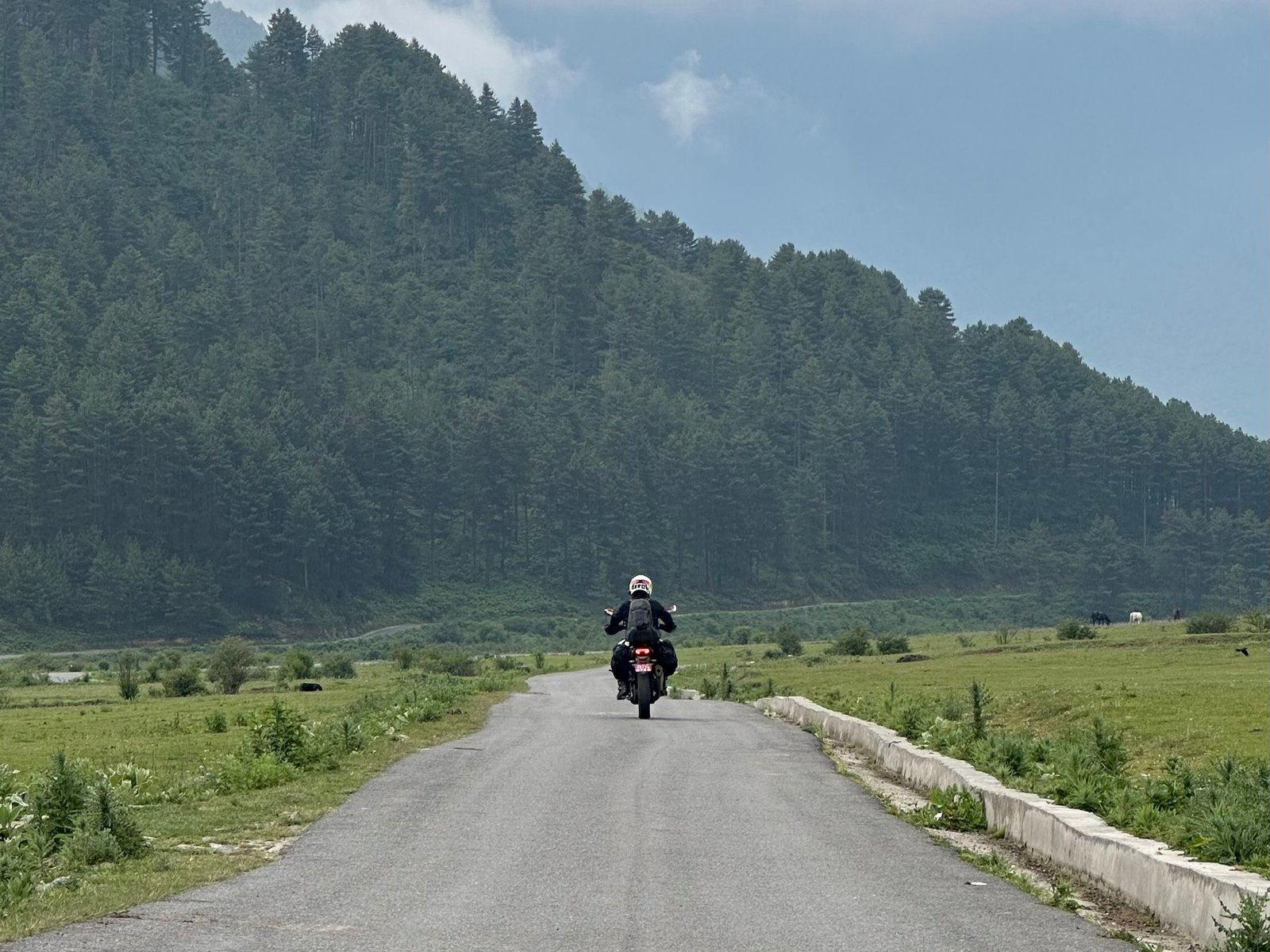
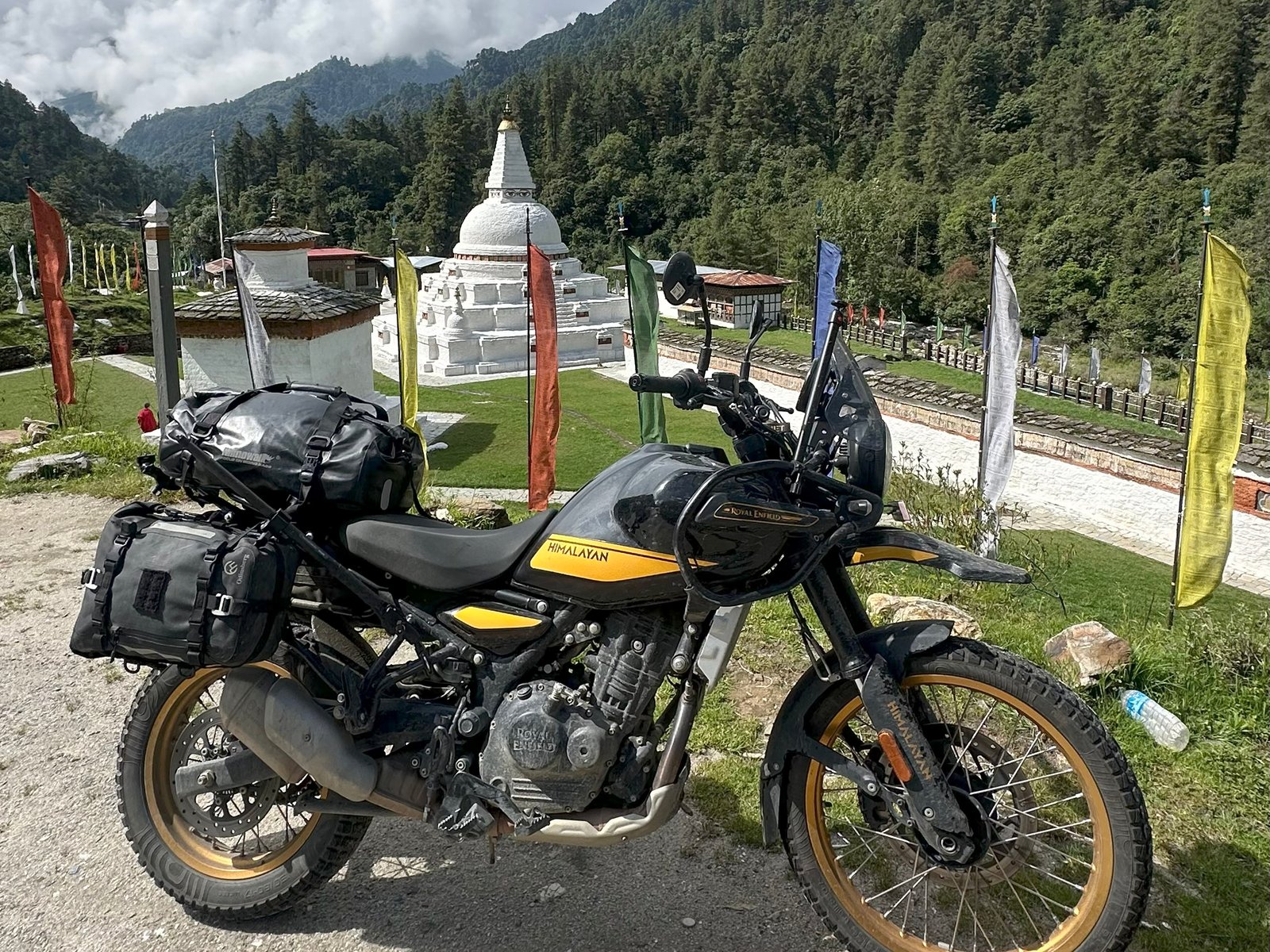
This 11-day ride through Bhutan’s central heartlands is more than a journey—it’s a glide into the kingdom’s rhythm, where every valley tells a different story. Starting from Paro, the road winds east through Thimphu, Punakha, Trongsa, and Bumthang, then arcs back through the hauntingly beautiful bowls of Phobjikha and Haa. Each day you’ll be astride a Royal Enfield Himalayan, cruising highways that feel purpose-built for two wheels, where curves flow like rivers and the horizons are framed by ridgelines of the Himalaya.
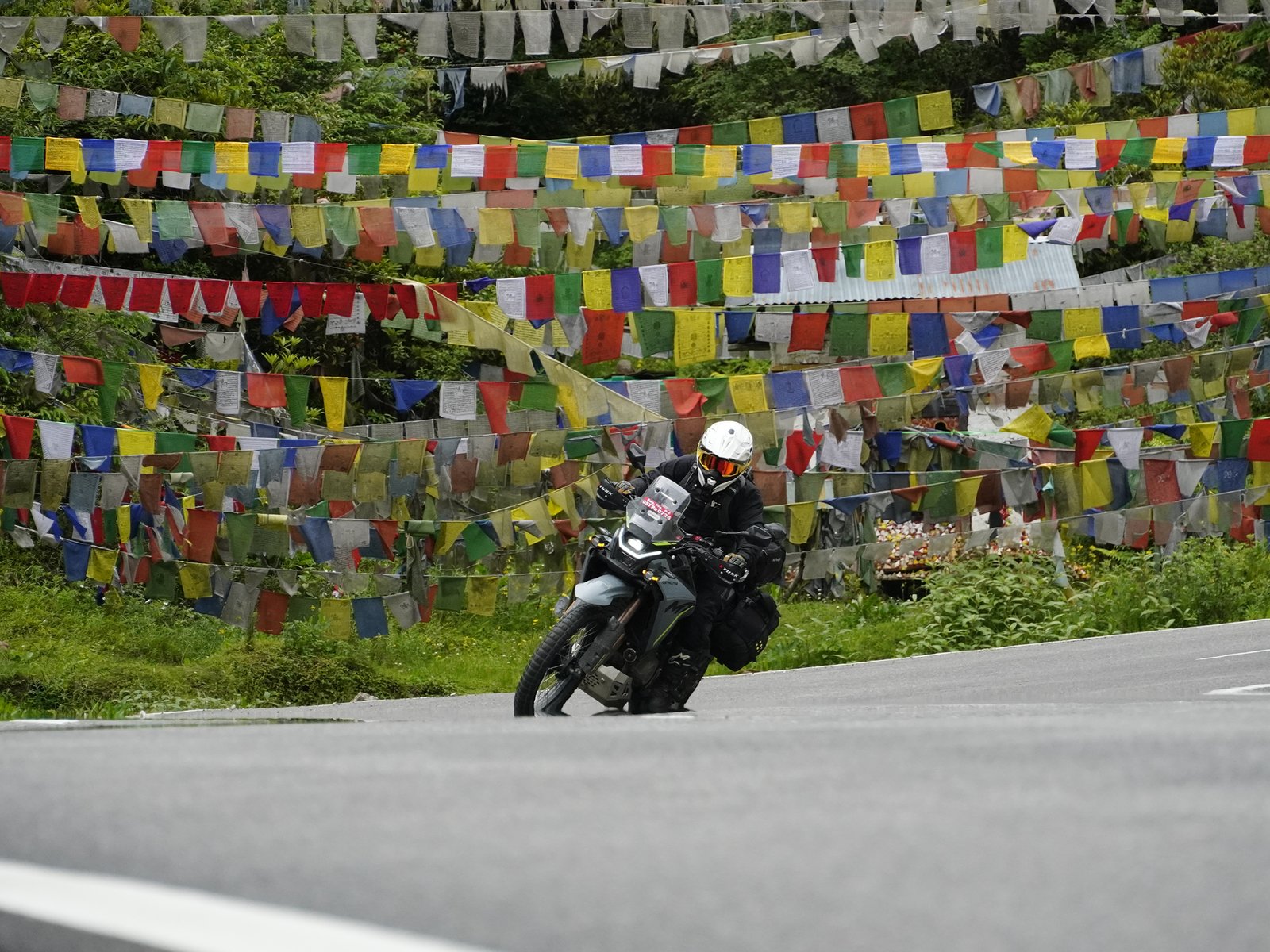
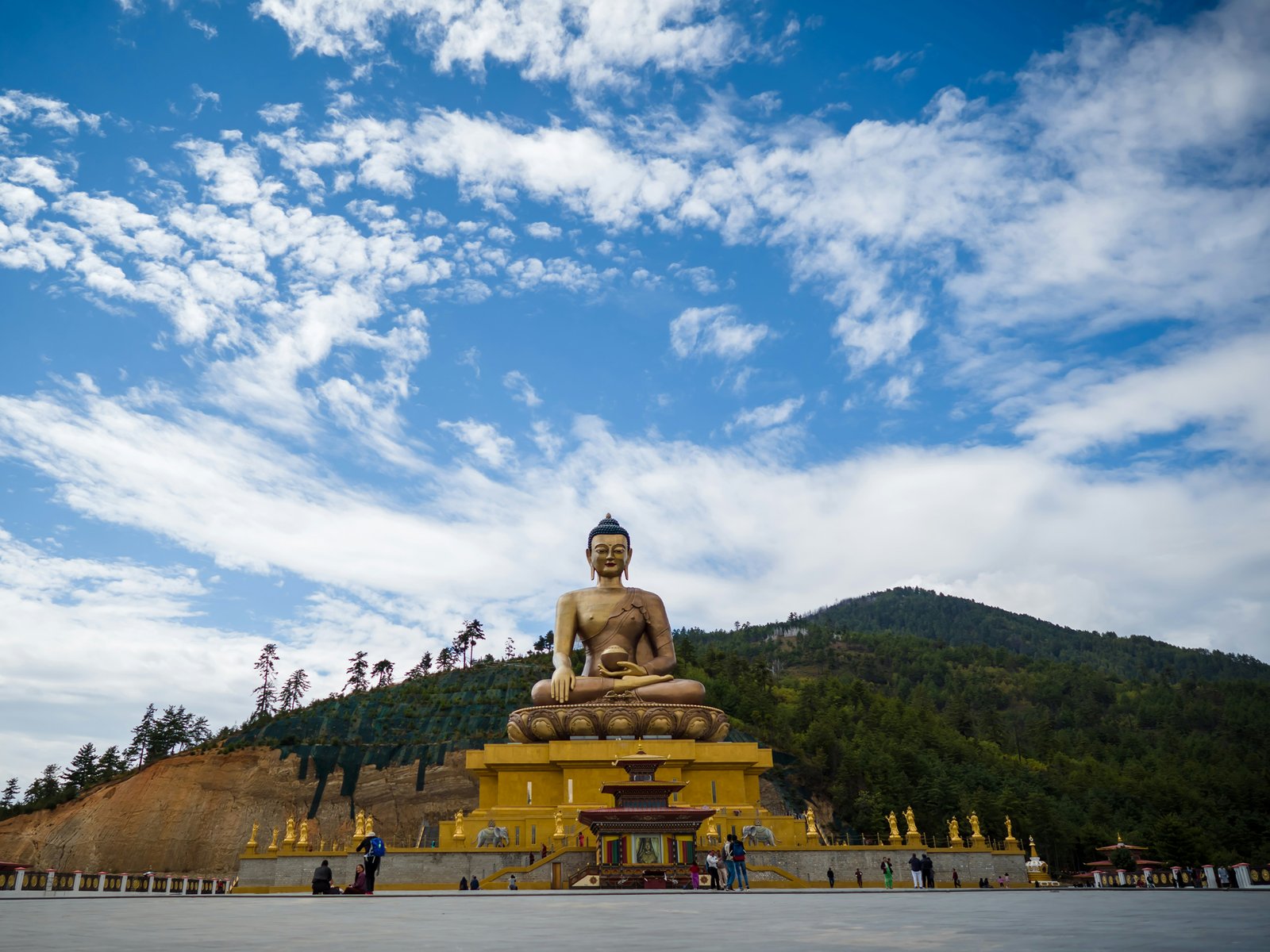
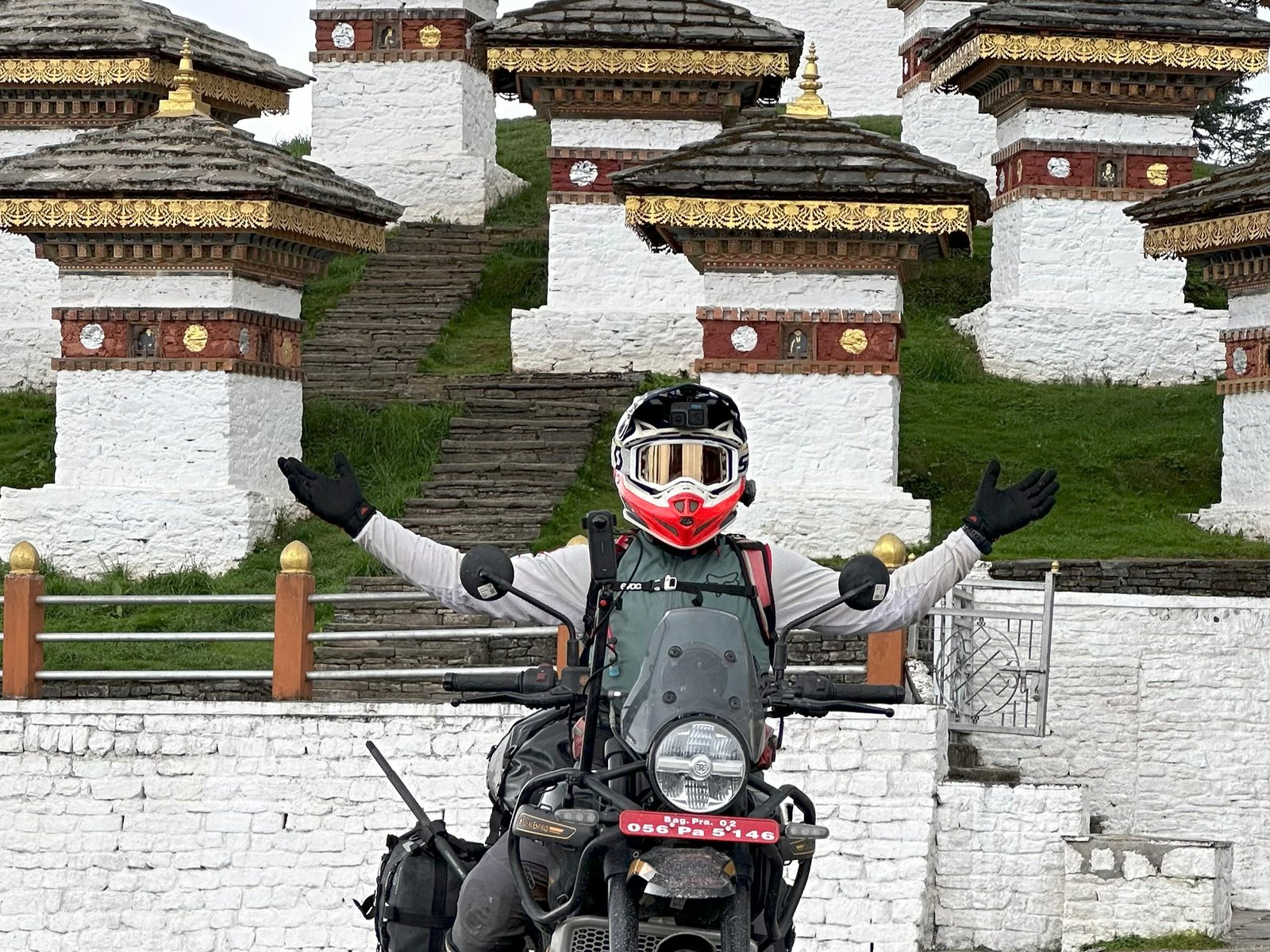
The riding is smooth and unhurried, giving space to soak in the country’s soul. You’ll roll past medieval fortresses perched on hillsides, prayer flags flapping in the wind, and farmlands where time still moves at a slower pace. Days are stitched together by Bhutan’s living traditions—monks in crimson robes, ancient temples echoing with chants, and warm encounters with locals who embody the kingdom’s famed hospitality.
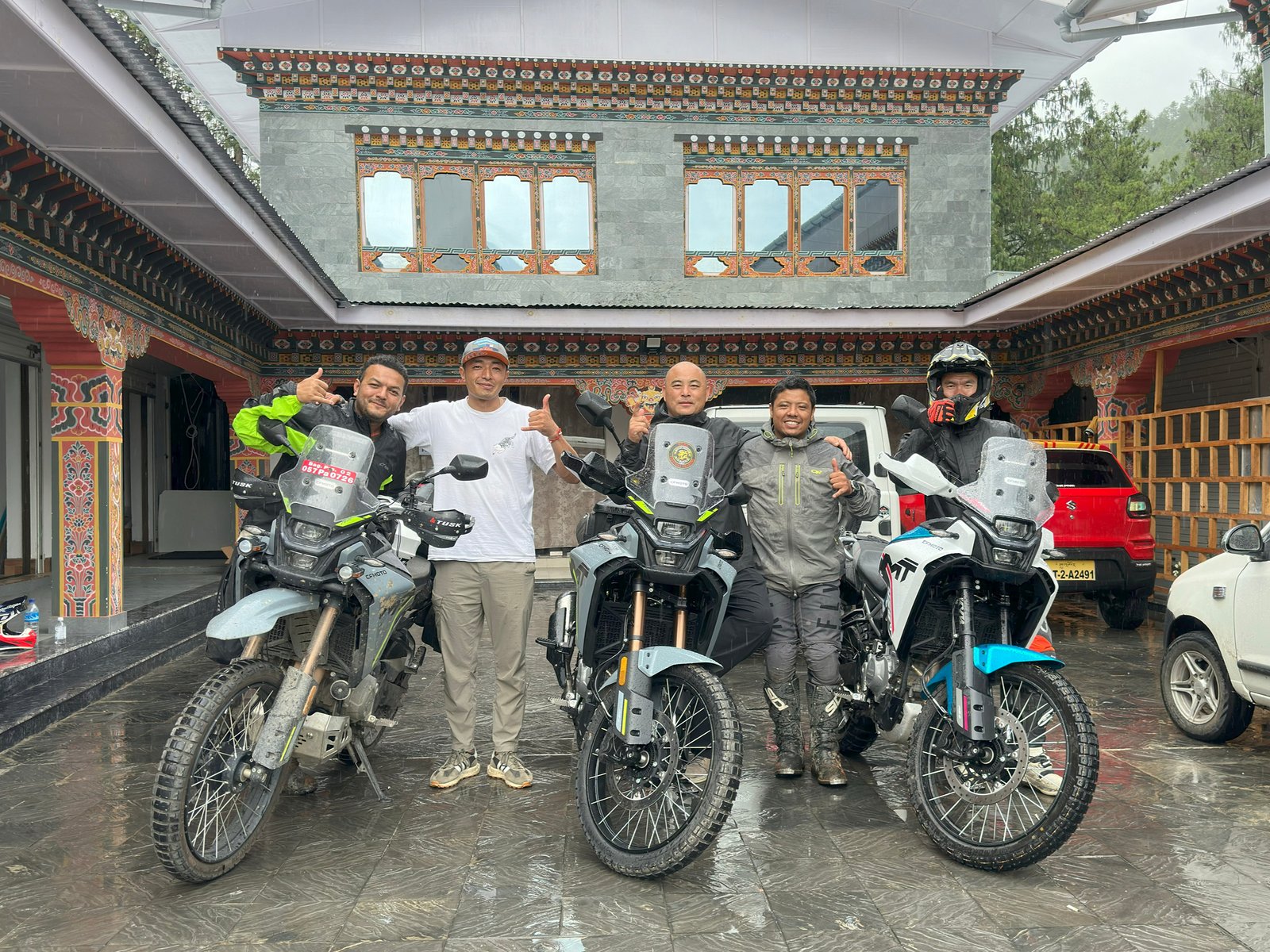
Evenings settle into comfort: hot meals, cozy hotels, and stories shared with fellow riders. By the end, you’ll have tasted Bhutan’s rare blend of culture, nature, and high-mountain serenity—all at the throttle of a motorcycle. It’s not just sightseeing; it’s Bhutan revealed at road speed, with our seasoned leader and support crew ensuring every mile flows with ease.
This 11-day ride through Bhutan’s central heartlands is more than a journey—it’s a glide into the kingdom’s rhythm, where every valley tells a different story. Starting from Paro, the road winds east through Thimphu, Punakha, Trongsa, and Bumthang, then arcs back through the hauntingly beautiful bowls of Phobjikha and Haa. Each day you’ll be astride a Royal Enfield Himalayan, cruising highways that feel purpose-built for two wheels, where curves flow like rivers and the horizons are framed by ridgelines of the Himalaya.
The riding is smooth and unhurried, giving space to soak in the country’s soul. You’ll roll past medieval fortresses perched on hillsides, prayer flags flapping in the wind, and farmlands where time still moves at a slower pace. Days are stitched together by Bhutan’s living traditions—monks in crimson robes, ancient temples echoing with chants, and warm encounters with locals who embody the kingdom’s famed hospitality.
Evenings settle into comfort: hot meals, cozy hotels, and stories shared with fellow riders. By the end, you’ll have tasted Bhutan’s rare blend of culture, nature, and high-mountain serenity—all at the throttle of a motorcycle. It’s not just sightseeing; it’s Bhutan revealed at road speed, with our seasoned leader and support crew ensuring every mile flows with ease.
At Himalayan Rides, our tour itineraries are crafted with passion and meticulous precision, designed to deliver an authentic and unforgettable experience.
Our information pack includes a host of information such as maps, names of overnight accommodations, kit list, and important logistics details.
A wide glacial bowl famed for wintering black-necked cranes. Mist over meadows, forests on the rim, and the hilltop Gangtey Gompa—nature and stillness in perfect balance.
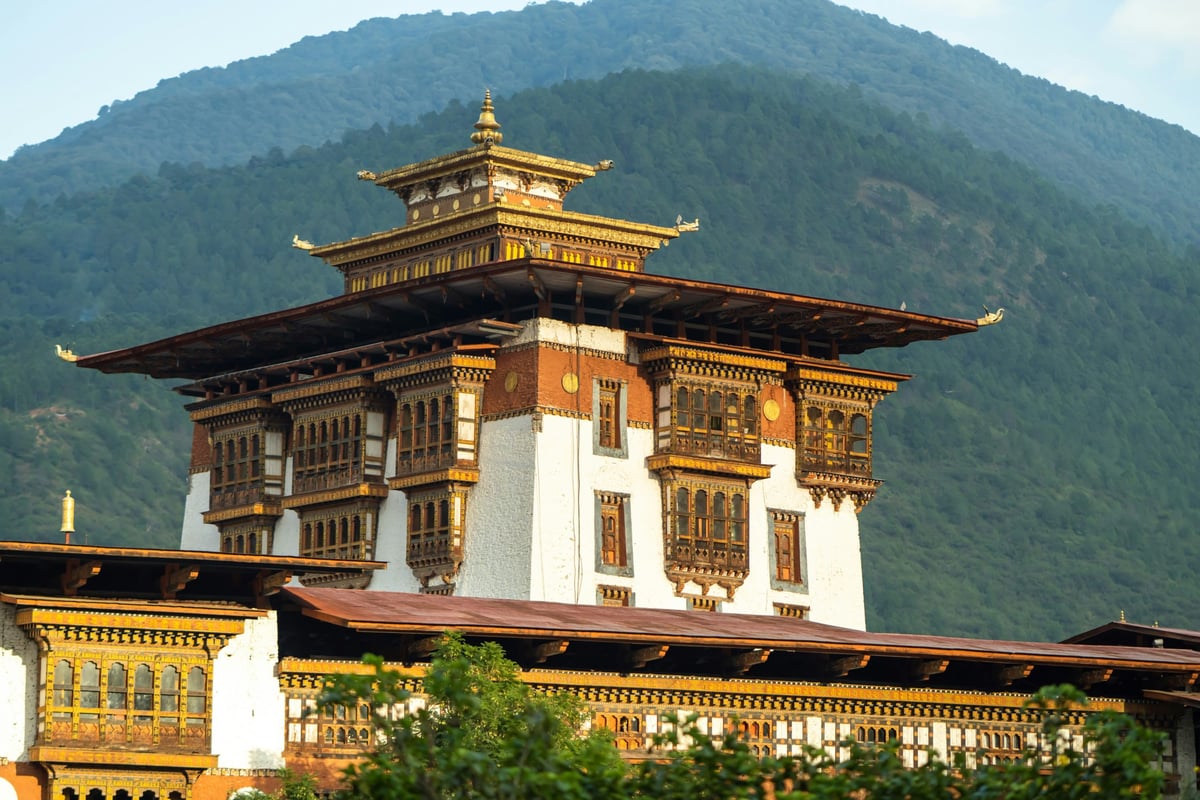
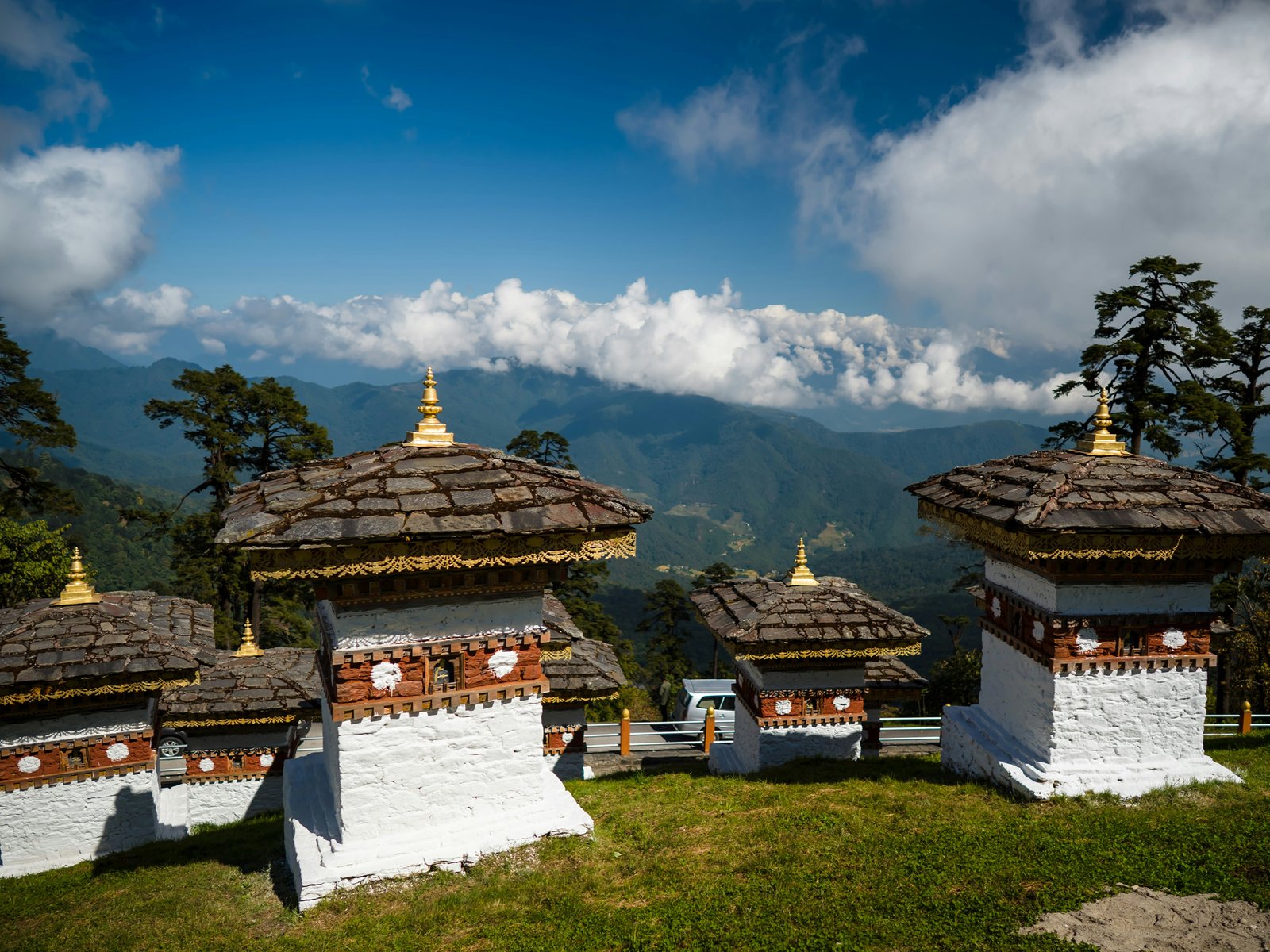
Bhutan’s spiritual heart. High valleys rich with monasteries and legends—Jambay Lhakhang, meadows dotted with prayer flags, and gentle villages that reveal Bhutan’s sacred heritage.
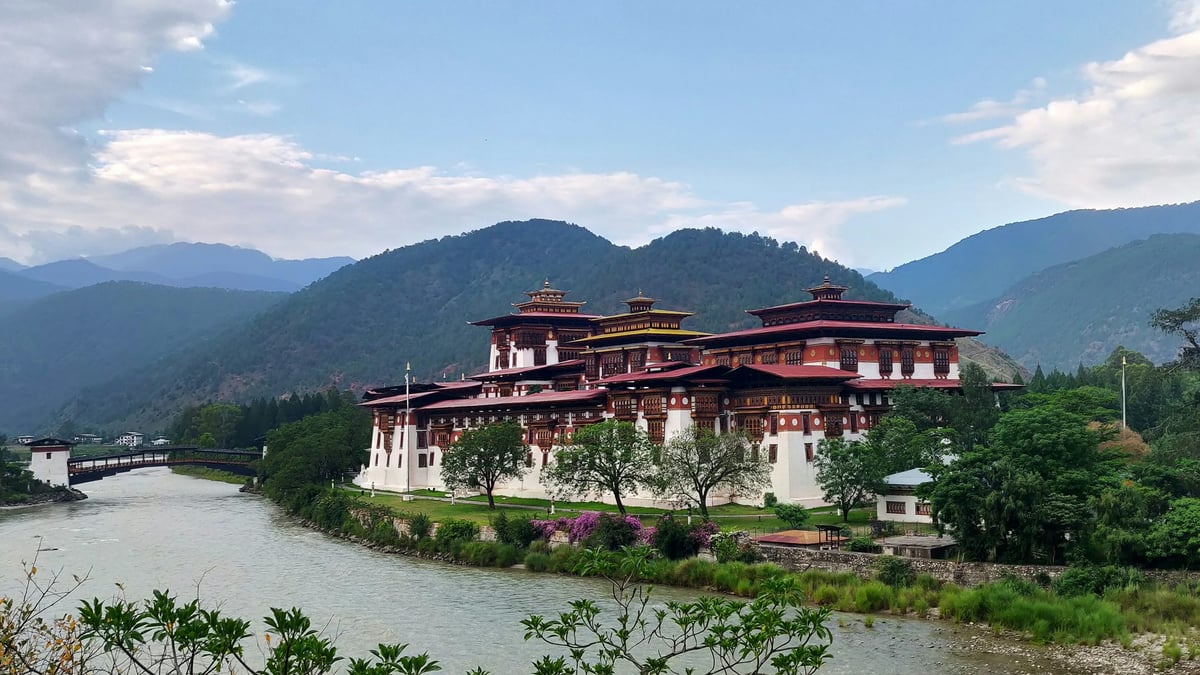
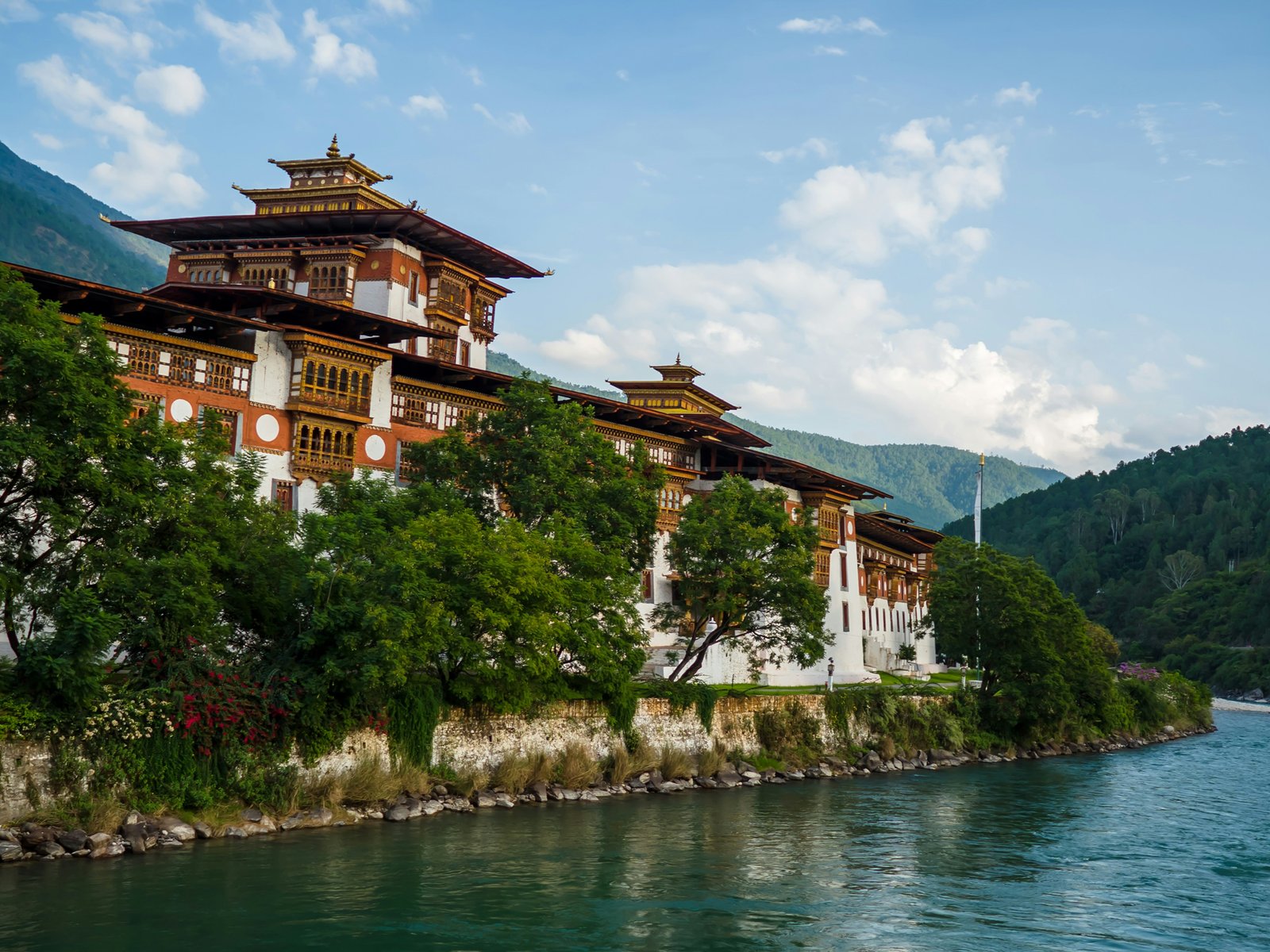
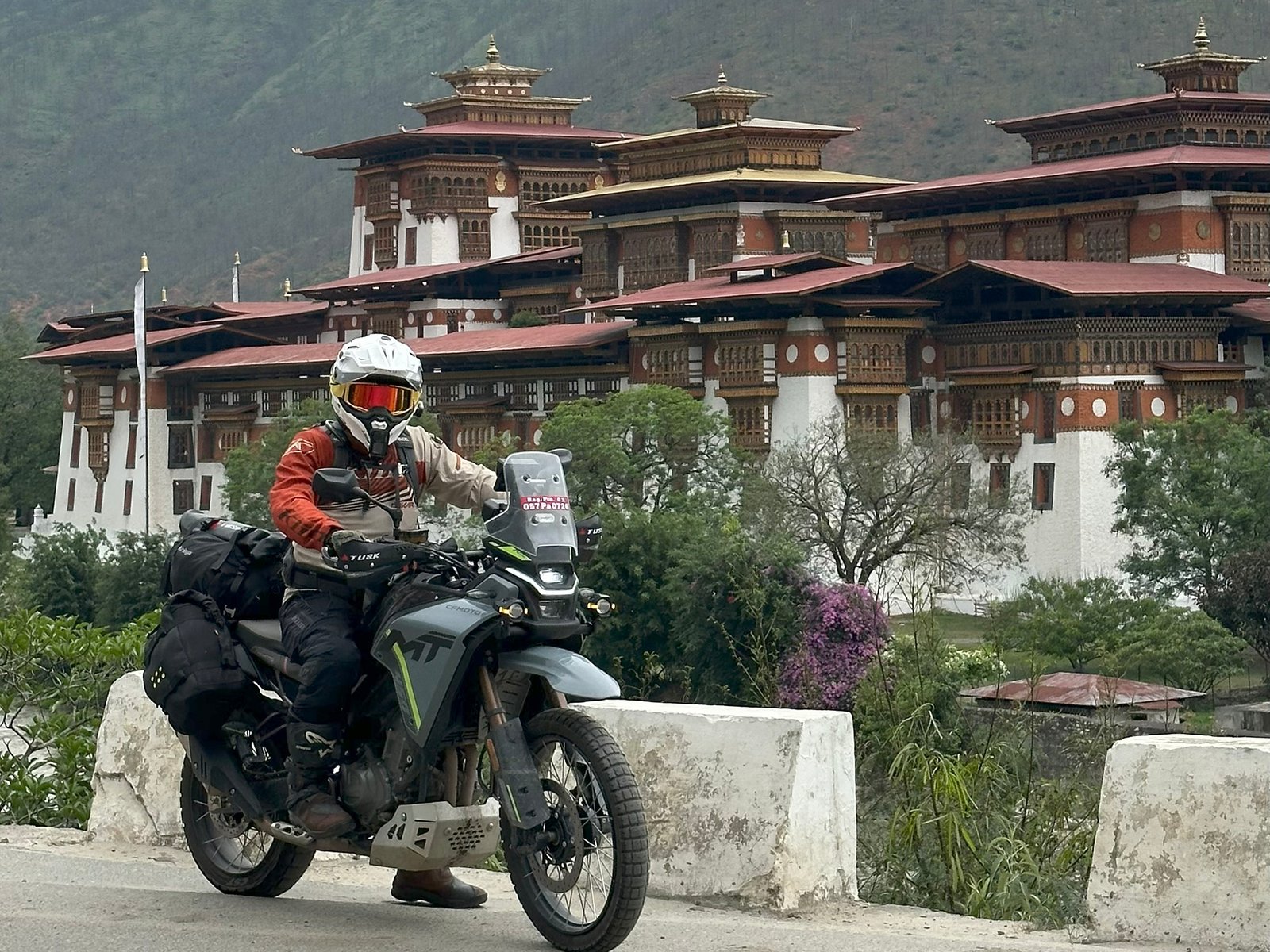
A warm, fertile valley of rivers and rice terraces. Punakha Dzong—one of Bhutan’s most beautiful fortresses—sits at the confluence of Mo and Pho Chhu amid jacaranda blooms and regal history.
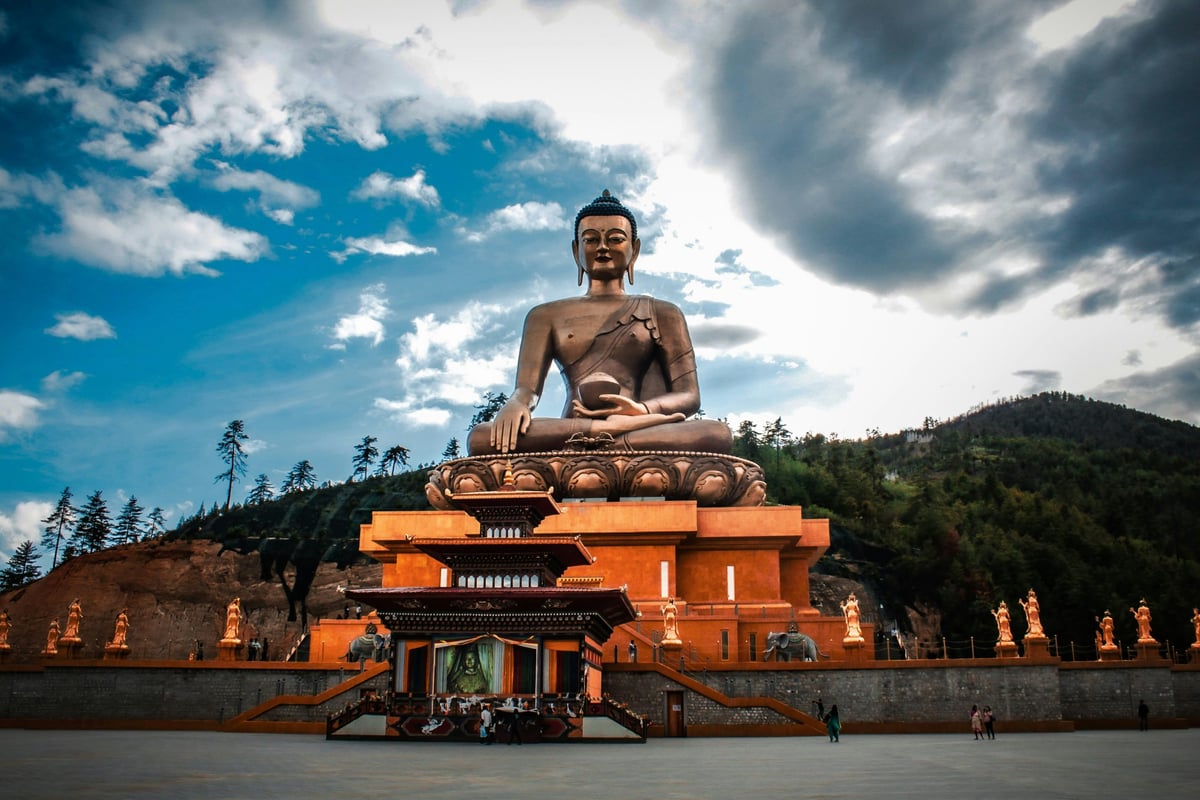
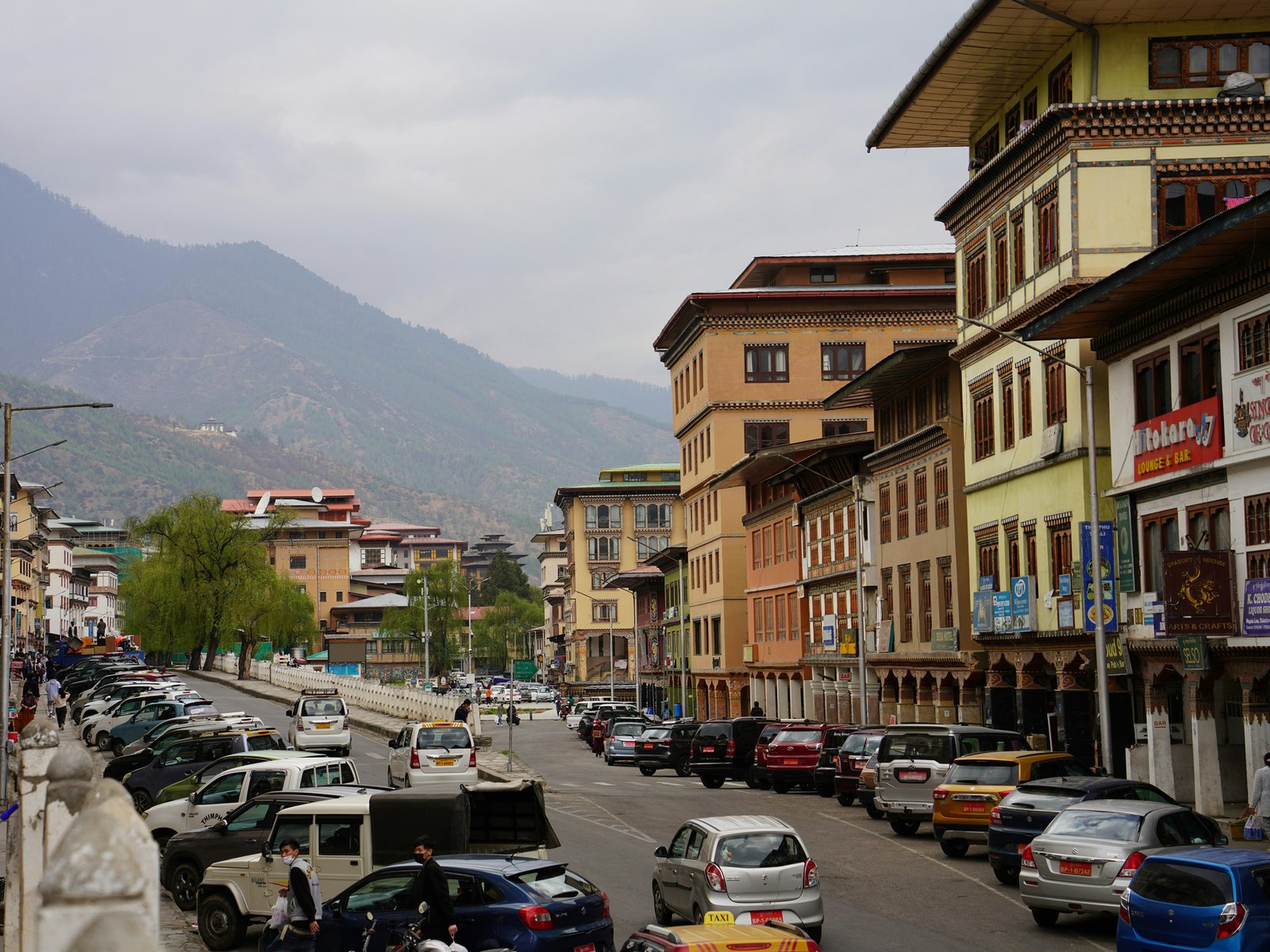
Bhutan’s lively capital where tradition meets modern rhythm. Prayer wheels spin beside cafés; monks pass galleries; Tashichho Dzong presides above the valley—a vivid window into everyday Bhutanese life.
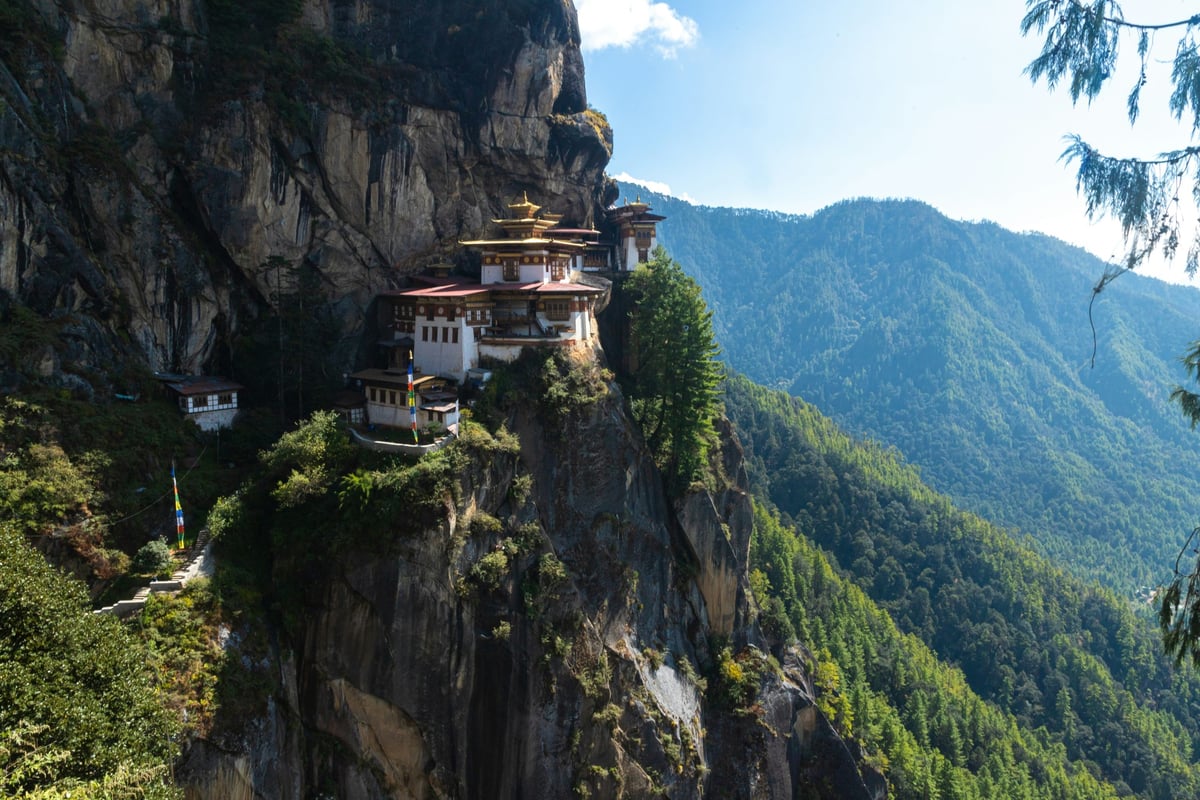
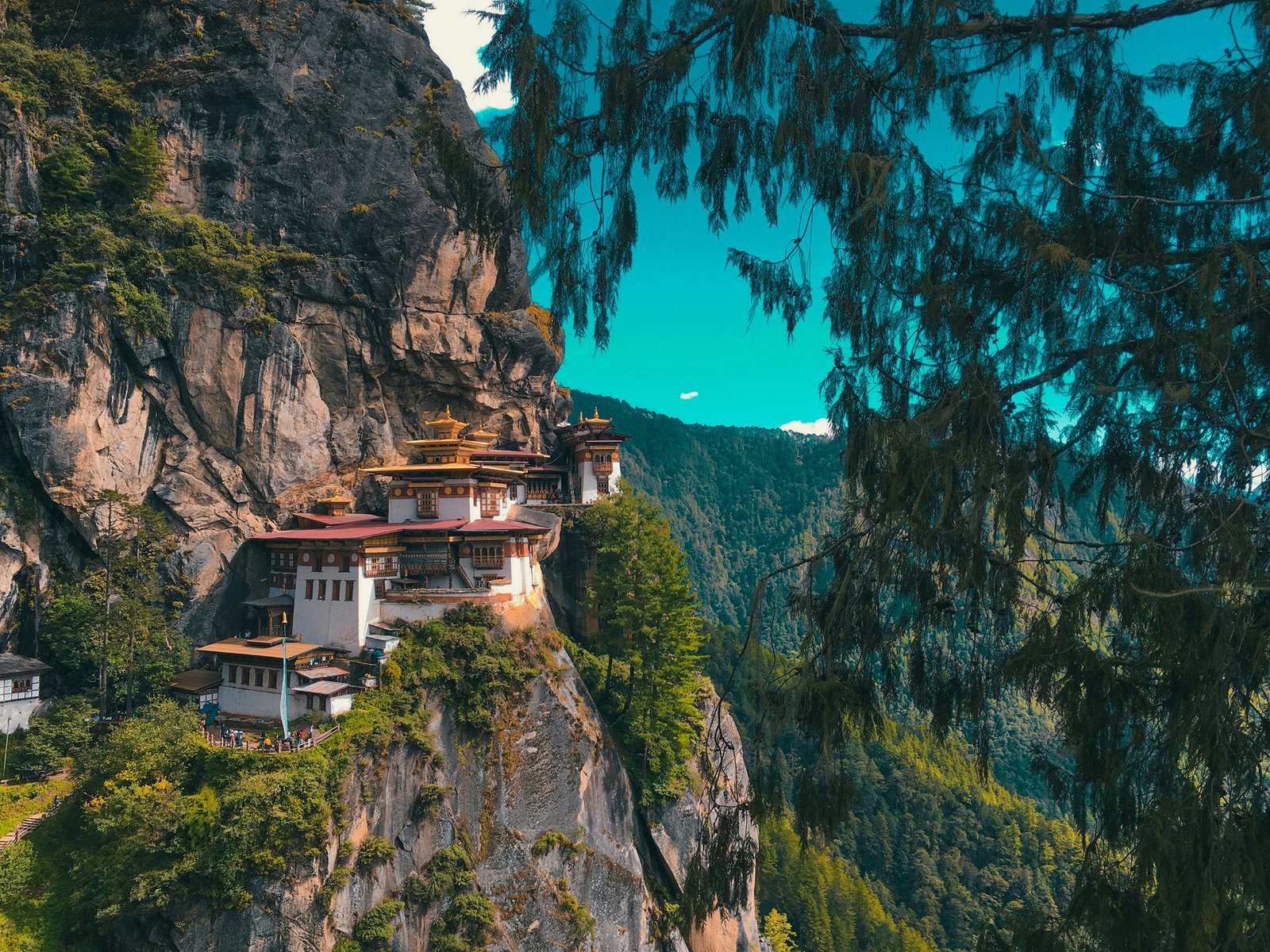
Gateway to Bhutan and home to Tiger’s Nest. Paro Valley is a patchwork of rice fields, rivers, and traditional farmhouses, watched over by Paro Dzong. Cultural depth with alpine serenity—perfect start and finish to the journey.
This Bhutan ride is designed for beginner to intermediate riders. Traffic is light, the roads are mostly paved, and the pace is relaxed.
Expect twisting mountain highways, sweeping valleys, and occasional gravel stretches, but nothing overly technical.
If you’re looking for a Himalayan journey that combines accessible riding with rich culture and dramatic scenery, this trip offers the perfect introduction.
Your safety and peace of mind are our top priorities. While riding with Himalayan Rides is an adventure of a lifetime, travel in remote and high-altitude regions also comes with unique challenges and regulations. This section highlights important advisories, restrictions, and notices that every rider should be aware of before and during the journey.
Please take a moment to read through these carefully. By staying informed and respecting local rules, you’ll ensure a safer, smoother, and more rewarding journey for yourself and the group.
Disclaimer: The advisories and notices in this section take precedence over any other information provided on this website. In the event of conflicting details, always follow the guidance here.
There are currently no additional travel advisories or notices in effect for this trip. Standard travel preparations and precautions apply.
Planning a trip to South Asia—or the other side of the world—takes more than just booking a flight. It’s about understanding the culture, logistics, and small details that make travel smoother. In this section, you’ll find essential information to help you prepare for your journey, including guidance on arrival and departure, what to expect on the ground, food and accommodation insights, and other practical tips to help you make the most of your adventure.
Your Himalayan Rides motorcycle expedition kicks off in Paro, Bhutan.
If you’re arriving one or two days before the official start of the tour, we’ve got you covered—airport transfers to the Mandala Resort are included in the trip cost. If you are arriving more than 2 days prior to the start of your trip, you have the option of purchasing an ‘Airport Shuttle’ add-on at the time of booking the trip or by getting in touch with us.
After clearing immigration at Paro International Airport, you’ll find your driver waiting just outside the arrivals hall with a Himalayan Rides sign.
We recommend staying at the Mandala Resort in Paro, which serves as the official meeting point on Day 1. We’re happy to arrange additional pre- or post-tour nights there for you. If you’re staying elsewhere, you’ll need to make your own way to the Mandala Resort for the group departure on the first day.
The first and last days of the tour are set aside for arrival and departure. We ask that you arrive in Paro no later than 12:00 noon on Day 1.
To allow time for rest, possible flight delays, and adjusting to the local timezone, we strongly recommend arriving in Paro at least a day or two before the tour officially begins.
Your Himalayan Rides motorcycle expedition concludes in Paro.
If you’re departing within two days after the official end of the tour, we’ve got you covered—transfers to Paro International Airport are included in the trip cost. If you are departing more than 2 days after the end of your trip, you have the option of purchasing an ‘Airport Shuttle’ add-on at the time of booking or by contacting us directly.
We recommend reaching Paro International Airport at least 2 hours before your flight. We will communicate with you directly at the end of the trip to coordinate your pickup time at the Mandala Resort or your hotel in Paro.
If you are extending your stay, we’re happy to arrange additional post-tour nights at the Mandala Resort or other accommodations in Paro.
We ask that you depart Paro no earlier than the morning of Day 11.
All visitors require a visa to enter Bhutan, which must be arranged in advance. As part of your package, Himalayan Rides handles the visa application process directly with Bhutanese authorities.
The cost of the visa is included in your trip price, along with the mandatory Sustainable Development Fee (SDF) of US$100 per person per night.
After booking, you’ll be asked to send us a scanned copy of your passport and a passport-style photo. Your approved visa will be issued electronically and verified on arrival at Paro International Airport.
Bhutan’s only international airport is in Paro (PBH), famous for its dramatic valley approach and one of the most scenic landings in the world.
Flights are operated exclusively by Bhutan’s two carriers: Drukair (Royal Bhutan Airlines) and Bhutan Airlines.
Paro is connected to a handful of regional hubs, including Delhi and Kolkata (India), Kathmandu (Nepal), Bangkok (Thailand), and Singapore (seasonal). Flight schedules vary by season and weather, so we recommend booking early and checkin
Most of the accommodation we use on this motorcycle tour consists of locally-run mountain lodges, hotels, and rural retreats. While they may be simple compared to Western hotels, they offer a surprising level of comfort given how remote these regions are — and their warmth and hospitality more than make up for the lack of luxury.
We’ve spent years exploring these routes to handpick the most comfortable stays available, carefully designing the itinerary to strike a balance between adventure and rest.
Meals are a memorable part of the journey. You’re welcome — and encouraged — to try traditional fare, made fresh and often from organic, local ingredients. But most places also offer a broad menu, so if you’re craving something more familiar, you might find yourself tucking into a Himalayan lasagna or even a yak steak.
All meals are included in the tour, and we’ll dine together as a group — sharing stories from the road over hearty, well-earned food.
Bhutan operates on 230 volts with a 50Hz frequency, and the most common plug types are Type C, D, F, and G — similar to those used in many parts of Europe and Asia. We recommend bringing a universal travel adapter to ensure compatibility with your devices.
Power cuts can occur in rural and high-valley regions. While most hotels and lodges have backup systems or solar power, it’s wise to keep essential devices like your phone, camera, or action cam charged whenever you have the chance. A portable power bank also comes in handy on the road.
The local currency in Bhutan is the Bhutanese Ngultrum (BTN), which is pegged to the Indian Rupee (INR) at par value. Indian Rupee notes of ₹500 and below are widely accepted.
Important: The Ngultrum is a closed currency, meaning you won’t be able to obtain it before arriving in Bhutan. Plan to exchange upon arrival. Currency exchange is available at Paro International Airport, banks, and licensed money changers in Paro and Thimphu.
ATMs can be found in Paro, Thimphu, and Punakha, though they can be unreliable. Credit cards are increasingly accepted in high-end hotels and shops, but cash is still essential for everyday expenses such as snacks, drinks, and souvenirs.
Bring a mix of US Dollars or Indian Rupees to exchange, and plan to carry enough cash for your personal spending during the tour.
There is an opportunity to do laundry mid-tour in Bumthang when the itinerary includes two consecutive nights in the valley.
At Himalayan Rides, we believe in complete transparency with our riders—especially when it comes to pricing. We understand that planning a motorcycle adventure involves trust, and we want you to feel confident knowing exactly what you’re paying for. That’s why we ensure there are no hidden costs or last-minute surprises. Below, you’ll find a clear and comprehensive breakdown of all expenses associated with this trip.
USD 4,695 Per Rider
USD 3,995 Per Pillion
(Sign up Deposit : 25%)
Notes:
Single Room Supplement - USD 950 Per Person
Extra Airport Shuttle - USD 75 Per Transfer
Notes:
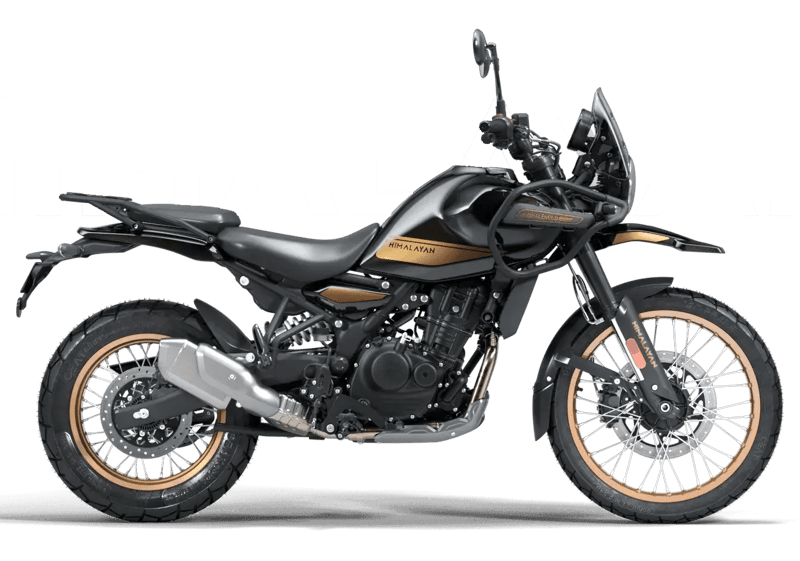
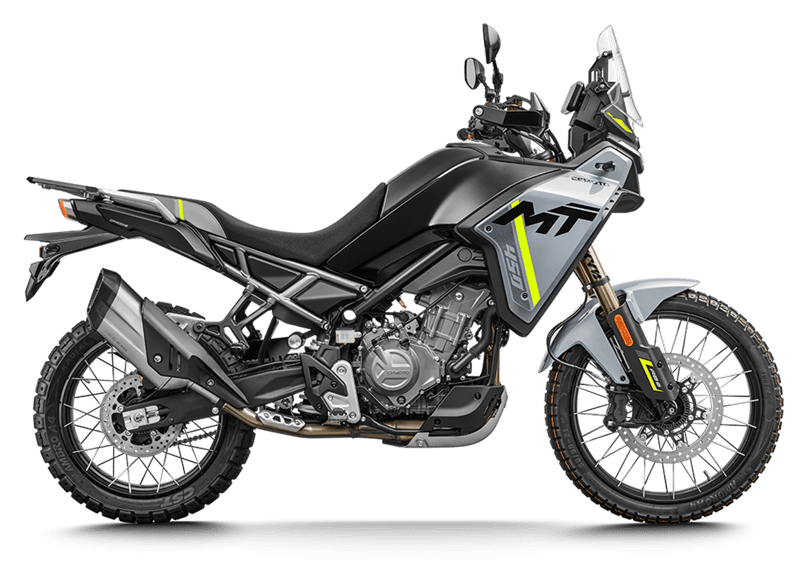
The base bike on this trip is a Royal Enfield Himalayan 450 (or similar). If you would like to upgrade the bikes, the following is the make / model and price of the bike.
Notes:
Tipping isn’t mandatory but it’s always appreciated — especially by the hardworking crew that makes your Himalayan Rides experience smooth and unforgettable.
If you’ve had a great time (and we think you will!), a tip of around 10% of your tour cost is a thoughtful gesture. This is usually handed to your lead guide at the end of the journey, who will fairly distribute it among the entire support team — including mechanics, drivers, and local fixers.
Your safety is our highest priority. Riding through the Himalayas is an incredible experience—but it also comes with real challenges, from unpredictable terrain to high-altitude roads and remote conditions. This section outlines everything you need to know to stay safe on tour, including what personal gear to bring, how we manage traffic and road conditions, and the kind of insurance you’ll need to travel with peace of mind.
Traffic in South Asia is very different from what you might be used to in the West, and even seasoned riders need some time to adapt. We’ve designed our route to minimize riding on major highways and busier roads, but there are still sections where you will encounter more traffic.
When riding through busier areas, our guides are adept at keeping the group together and communicating effectively to ensure everyone’s safety. They’re skilled at managing the flow of bikes and will guide you through traffic as a cohesive unit.
Prior to departure, we provide a thorough briefing on what to expect from the roads and traffic habits, including how to handle unexpected hazards and adapt your riding style. We also offer ongoing guidance during the trip itself—through communications on the road, rest-stop briefings and informal discussions—to help you become confident in dealing with the local road conditions.
This combination of careful route planning, experienced guidance and continuous support ensures you can enjoy the adventure of riding in the Himalayas while staying safe and well-prepared.
For your comfort and safety, you’ll need to bring your own riding gear. At a minimum, this should include a properly fitting helmet, abrasion-resistant jacket and trousers, gloves, sturdy boots, and any body protection you normally use, such as knee or elbow guards.
Conditions vary with altitude and season. We recommend an all-weather setup: a breathable, armored shell with removable thermal and rain layers, or a laminated suit with vents for warmer valleys. Pack quick-dry base layers, a neck buff, and a compact rain over-glove.
Some hotels offer laundry mid-tour, but it’s best to travel self-sufficient. If you plan to buy or rent gear, confirm fit and safety certifications (e.g., ECE/DOT helmets; CE-rated armor) before the trip. Your comfort and protection matter most—well-fitted gear makes long days in the saddle safer and more enjoyable.
While no mandatory vaccinations are required to enter the country, we recommend riders be up to date on common travel immunizations such as Hepatitis A and B, typhoid, rabies, and Japanese encephalitis. The most frequent health issues travelers experience here are stomach-related, usually from drinking untreated water or eating contaminated food.
To stay safe, avoid drinking tap water or using ice that hasn’t been purified. Bottled mineral water is widely available throughout the country, and we’ll make sure you’re stocked up along the route.
As we’ll be riding at high altitudes — sometimes over 2,500 meters — it’s important to understand and respect the effects of elevation. Ascending too quickly can lead to altitude sickness, with early symptoms like headaches or nausea. The key is to pace yourself and let your body adjust naturally as we climb.
The Himalayan sun can be intense, especially at altitude, so wearing strong sunscreen and proper sunglasses is a must. Staying hydrated is just as important — even if it’s cool and you’re not feeling thirsty, keep drinking water regularly while on the bike.
We also recommend bringing a basic travel medical kit with essentials like paracetamol or aspirin for pain or fever, and something for upset stomachs (like Pepto-Bismol or similar).
Your safety is our top priority. All Himalayan Rides participants are covered by Global Rescue, which provides emergency medical and evacuation support in case of serious illness or injury on the road.
Before you travel, be sure to check in with your doctor for personalized medical advice — especially if you have pre-existing conditions or are concerned about any vaccinations.
To ride with Himalayan Rides, comprehensive travel insurance is required. Your policy must include medical coverage and personal accident protection, and it must specifically cover motorcycle touring in remote areas and at altitude.
We strongly recommend that your insurance also covers trip cancellations, baggage, and personal gear, especially if you’re bringing your own motorcycle equipment.
In addition to your main travel insurance, all riders on Himalayan Rides tours are automatically covered by Global Rescue for emergency evacuation and rescue services only. Please note: Global Rescue is not a replacement for standard travel insurance — it is a supplementary safety measure, providing backup support in case of serious injury or emergency evacuation in remote regions.
You’ll need to arrange your primary travel insurance separately and ensure it meets the coverage requirements before your trip.
We keep our tour groups small to ensure an exceptional experience. Typically, there are up to 12 riders per trip, and we need a minimum of 4 participants for the tour to run.
Yes. You’re welcome to use GPS units, mobile‑phone holders or soft rackless panniers on our rental bikes. There are no restrictions on those types of accessories. To avoid carrying gear that won’t fit, please check compatibility in advance—either with the accessory manufacturer or with us—so you can be sure your equipment will mount correctly on the bike we provide.
No. Drones are not permitted on tour, as their use across Himalayan regions is subject to conflicting local laws, strict regulations, and often unclear enforcement. Rules can vary widely between countries and even specific areas, and flying without the proper clearances may lead to fines, confiscation, or other complications. To avoid these issues — and to ensure a safe, uninterrupted riding experience for everyone — we ask that guests leave drones at home.
Yes. There is an opportunity to do laundry mid‑tour.
We have a full kit list that covers everything from riding gear and protective equipment to personal items. Please request one by email if you don't have one and refer to it to ensure you’re well prepared.
Tipping isn’t mandatory, but it is appreciated. A guideline of around 10% of your tour cost is common; this is shared among guides, drivers and support staff. Ultimately, whether and how much you tip is up to you and should reflect the service you feel you’ve received.
All meals are included, starting with dinner on day one and ending with breakfast on the final day of the tour.
Most nights are spent in locally run mountain lodges, small hotels and rural retreats. These simple yet comfortable stays balance the remote nature of the route with genuine hospitality. We’ve hand‑picked each property to give you the best combination of adventure and rest after a day’s ride.
Your guides are experienced local riders who know the culture and landscape inside out. Their top priority is your safety, but they’re also there to make sure you enjoy every minute of your ride and to answer any questions along the way.
No. You’ll only carry a small day pack on your bike. A support vehicle transports your luggage and has it waiting for you at the end of each day.
This is a fully guided motorcycle journey through Bhutan designed for beginner to intermediate riders. You’ll ride mostly paved mountain roads that wind through valleys, forests, and villages, with occasional stretches of gravel or construction zones. The pace is relaxed, the traffic light, and the focus is as much on cultural immersion and dramatic scenery as it is on the riding itself.
Most of our riders are between about 30 and 65 years old. The important thing is that you have the required fitness and riding ability – age is less important than being physically prepared for the demands of the tour.
Thank you for your interest on Chasing the Thunder Dragon!
A download link to the Chasing the Thunder Dragon dossier will be sent to your email shortly. Please check your inbox (and your spam folder, just in case).
Error: Your form is not valid, please fix the errors!